
Soulie barberry
Berberis soulieana
Description
Soulie barberry (Berberis soulieana) is an evergreen or semi-evergreen shrub that belongs to the Berberidaceae family. This species is highly valued for its dense, upright growth habit and structural integrity, making it a reliable choice for professional landscaping and urban gardening projects.
Native to central and western China, the Soulie barberry has adapted to diverse mountain environments and forest margins. Over time, its cultivation has spread to various regions with temperate climates where it is appreciated for its robust nature. It thrives in locations where it can express its natural shape without excessive environmental stress.
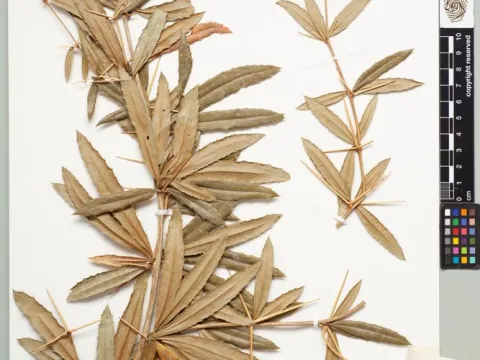
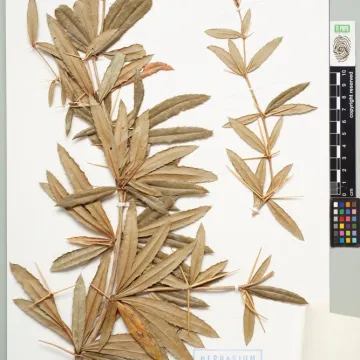
From a botanical perspective, this shrub is characterized by its stiff, erect branches armed with sharp thorns, which provide an effective barrier. The leaves are typically narrow, leathery, and lance-shaped, contributing to the plant's distinctive aesthetic. During the blooming season, the shrub produces clusters of small yellow flowers, followed by dark, bluish-black berries that add seasonal interest.
Regarding agronomic requirements, the plant prefers sites with full sun to partial shade. It is remarkably versatile concerning soil types, provided the ground is well-drained. While the plant is drought-tolerant once established, supplemental watering during prolonged dry spells is beneficial. Regular pruning is essential to manage the size and encourage dense foliage development.
The primary use of this species is in creating impenetrable hedges and ornamental screens. When it comes to plant health, it is generally resistant, but may be susceptible to common issues such as aphids or powdery mildew. Management strategies include:
- Maintaining proper spacing to ensure air circulation.
- Regular inspection of leaves and stems for early pest detection.
- Application of appropriate fungicides if symptoms of fungal diseases appear.
- Sanitary pruning to remove dead or diseased wood.
Photo gallery