Swasey's barberry
Berberis swaseyi
Description
Swasey's barberry (Berberis swaseyi) is a deciduous shrub species belonging to the family Berberidaceae. It is a distinctive and rare plant that is highly regarded for its structural elegance and its ability to thrive in challenging environments where other shrubs might struggle.
The origin of this species is traced back to specific, arid regions of North America, particularly Texas. Native to rocky slopes and dry habitats, the plant has developed robust physiological mechanisms that allow it to withstand intense sunlight and prolonged periods of drought, making it an excellent candidate for xeriscaping.
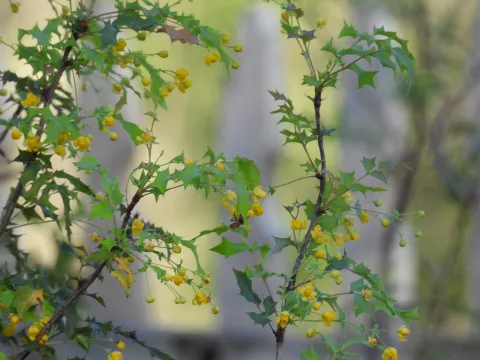
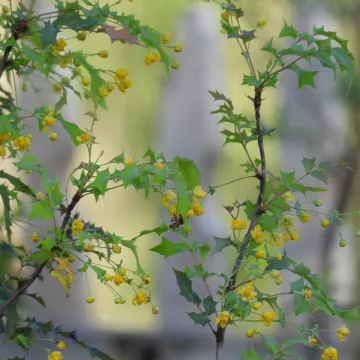
Botanically, the plant features arching, thorny branches that provide protection and create a unique silhouette. The leaves are leathery and typically turn vibrant shades of red or orange during the autumn season. Small, yellow, fragrant flowers appear in spring, eventually yielding small, dark berries that add to the plant's seasonal appeal.
Regarding agrotechnical requirements, it is essential to plant Swasey's barberry in well-drained, porous soil to avoid root rot. It demands full sun exposure to maintain its compact habit and vibrant foliage color. Once established, it requires minimal irrigation, though periodic pruning is recommended to remove dead wood and encourage denser growth.
The primary use of this shrub is in landscape architecture, where it serves as a stunning specimen plant or as a formidable, decorative security hedge. Common pests include aphids, and if the environment is too humid or poorly ventilated, the plant may become susceptible to powdery mildew. Regular inspection and proper spacing are critical to keeping the plant healthy and vigorous.
Photo gallery