Spanish needles
Bidens bipinnata
Description
Spanish needles (Bidens bipinnata) is an annual herbaceous plant belonging to the Asteraceae family. While frequently considered a problematic weed in commercial agriculture, it is recognized for its significant phytochemical potential, serving as a raw material source for the pharmaceutical and cosmetic industries.
Originating from North America, the species has successfully naturalized across various global regions, particularly in tropical and subtropical zones. Its expansion is attributed to its high ecological plasticity, allowing it to thrive in diverse habitats including agricultural fields, waste grounds, and riparian corridors where soil moisture is consistently available.
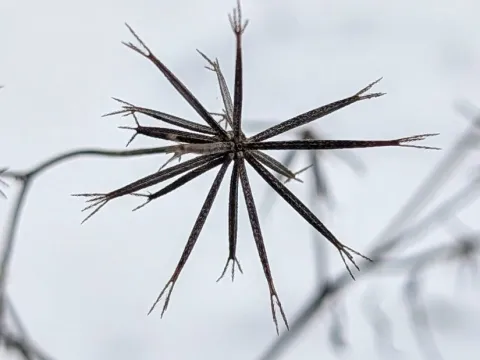
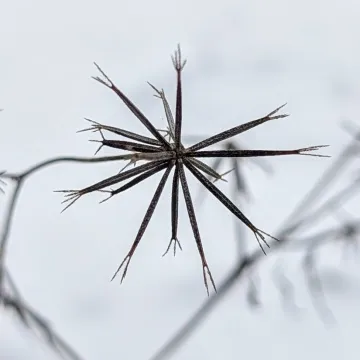
The morphology of the plant is defined by a branching stem that can reach heights of up to 100 centimeters. Its foliage is characterized by bipinnately compound leaves, providing a distinct appearance. The inflorescences consist of small, tubular yellow flowers arranged in terminal capitula. The seeds are notably equipped with barbed awns, an evolutionary mechanism that facilitates dispersal via animal fur and human clothing.
Agronomic success with this crop depends on selecting fertile, well-drained soils and ensuring adequate sunlight exposure. The plant requires moderate moisture throughout its vegetative stage but is sensitive to waterlogging. Effective cultivation practices involve maintaining specific planting densities to maximize biomass production while minimizing inter-row competition for light and soil nutrients.
In terms of economic utility, the plant is primarily harvested for its anti-inflammatory and antiseptic properties, often extracted as essential oils or aqueous solutions. These extracts are integrated into dermatological products and traditional remedies. Understanding the plant's life cycle is critical for its controlled cultivation, as harvest timing directly impacts the concentration of active pharmaceutical ingredients.
- Susceptible to fungal infections such as rust and powdery mildew in high-humidity climates.
- Primary pest threats include aphids and mites, which can significantly damage foliage quality.
- Strategic harvesting before full seed maturity is essential to prevent unwanted spread in agricultural systems.
Photo gallery