Tickseed-sunflower
Bidens polylepis
Description
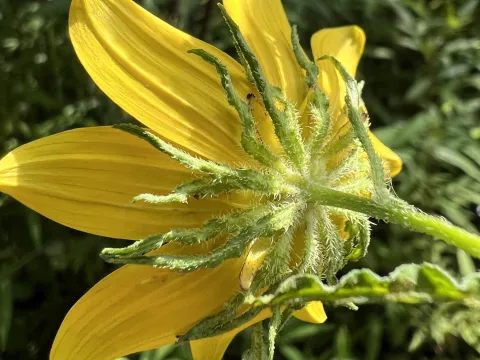
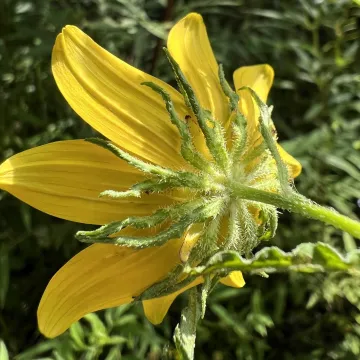
Tickseed-sunflower (Latin: Bidens polylepis) is an annual herbaceous plant belonging to the Asteraceae family. Known for its distinct yellow floral displays and rapid growth cycle, this plant has gained attention as a versatile species for managed landscapes and specific ecological agricultural applications due to its resilience in moist environments.
The species is native to North America, where it naturally occupies wet prairies, floodplain forests, and the margins of ponds and streams. Its evolutionary history has adapted it to survive periodic flooding, making it a robust candidate for restoration projects in areas prone to seasonal soil saturation where common commercial crops might suffer from root rot.
Botanically, Bidens polylepis features a branched stem that can reach heights of up to 1.5 meters. The leaves are typically pinnately divided, creating an airy texture. The plant produces numerous yellow composite flower heads that bloom from late summer until the first frost, providing a significant late-season pollen source for local bee populations and beneficial insects.
Regarding climate and soil, this plant thrives in full sun but demonstrates high tolerance for various soil textures, provided they remain consistently moist. Cultivation requires minimal intervention once established; however, to achieve optimal growth in a controlled setting, it is recommended to maintain soil fertility and avoid overcrowding, which can encourage fungal diseases.
Economically, the plant is primarily utilized in ornamental horticulture for its long-lasting yellow flowers. Beyond aesthetics, it serves as a valuable tool for riparian zone stabilization and habitat enhancement. Its ability to produce high biomass also makes it a subject of interest for sustainable land management practices and supporting agricultural biodiversity.
- Susceptible to powdery mildew in poor air circulation conditions.
- Can be affected by aphids during hot and dry spells.
- Seeds spread easily; managed harvest is recommended to prevent over-dispersal.
Photo gallery