Biophytum reinwardtii
Biophytum reinwardtii
Description
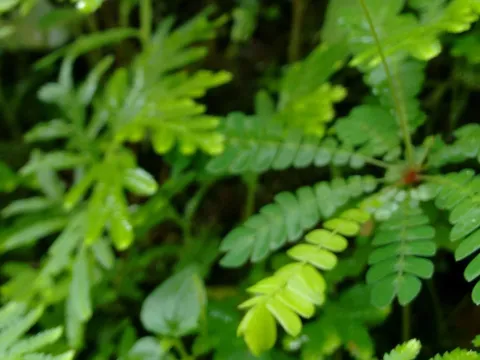
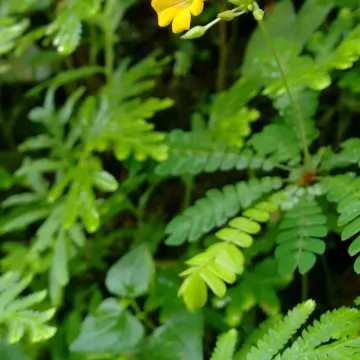
Biophytum reinwardtii is a unique annual herbaceous plant belonging to the Oxalidaceae family. It is widely recognized for its palm-like appearance, consisting of a short, unbranched stem crowned with a rosette of pinnate leaves. Much like its relative, the sensitive plant, this species exhibits seismonastic movements, meaning its leaflets fold shut when physically stimulated or as a reaction to darkness.
Originating from the tropical regions of Southeast Asia, including India and the Philippines, this plant is commonly found in moist, shaded environments. While not a large-scale commodity crop, it is significant in local agriculture as a medicinal plant. Its cultivation is primarily localized to tropical botanical gardens and small-scale farms that specialize in rare or ethnomedicinal flora.
The agronomic requirements for Biophytum reinwardtii focus on high humidity and stable tropical temperatures. Ideally, it should be kept between 22°C and 28°C. The soil should be a well-draining, nutrient-rich potting mix that retains moisture without becoming waterlogged. Regular irrigation is necessary to maintain soil turgor, as the plant is highly susceptible to wilting if the root environment dries out completely.
Economically, the plant is valued for its pharmacological properties. Research indicates that various extracts from the plant possess anti-inflammatory, antioxidant, and immunomodulatory effects. In folk medicine, it is frequently used to treat wounds, skin infections, and gastrointestinal ailments, making it a valuable resource for traditional herbalist practices in its native range.
Pests and diseases are common challenges for this delicate plant, particularly when environmental conditions are not ideal. Pathogens often thrive in stagnant, humid air, while pests tend to invade when the plant is stressed by dryness. Recommended management strategies include:
- Maintaining consistent air humidity around 60-70% to deter mites.
- Using sterilized, well-draining soil to prevent root rot pathogens.
- Applying neem oil or mild insecticidal soap if aphids or mites appear.
- Ensuring good ventilation to prevent the growth of fungal foliage diseases.
Photo gallery