Umbrella plant
Biophytum umbraculum
Description
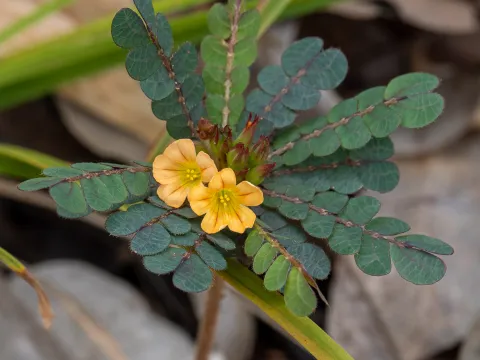
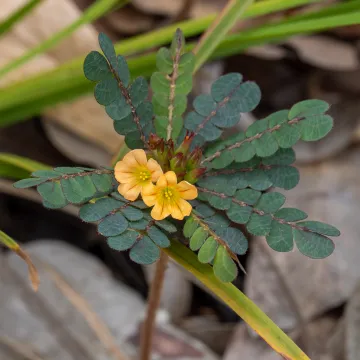
Biophytum umbraculum, known as the umbrella plant, is a distinct herbaceous species within the Oxalidaceae family. This plant is renowned for its peculiar growth habit, featuring an unbranched stem topped with a rosette of pinnate leaves that mimics the structure of a tiny palm tree. It serves as an interesting subject for botanical research and controlled-environment agriculture.
The plant originates from tropical regions across Africa, Asia, and the Americas. It is typically found in humid forest environments and open grasslands where high levels of humidity and warm temperatures persist year-round. Its native distribution suggests a preference for shade-tolerant or semi-shade conditions, which is crucial for its development in a production setting.
Botanical characteristics of Biophytum umbraculum include its sensitive foliage, which exhibits seismic movements, folding quickly upon physical touch or changes in light intensity. The stem is generally short, reaching only a few centimeters in height. Its yellow, bell-shaped flowers emerge from the central axis, leading to the development of seed capsules that facilitate the propagation of the species.
Cultivation requirements involve maintaining a constant temperature range of 22 to 28 degrees Celsius and high ambient humidity. The soil must be well-aerated, nutrient-rich, and slightly acidic to mimic its natural substrate. Agricultural management focuses on preventing waterlogging, which is the primary cause of root rot in these plants, and providing consistent moisture without saturation.
Host plant utilization is primarily centered on its potential medicinal applications and ornamental value. Extracts from the plant are known to possess antimicrobial and anti-inflammatory properties, drawing interest from the pharmaceutical sector. Beyond its medicinal utility, it is cultivated in specialized greenhouses as a botanical curiosity and for horticultural research purposes.
- High demand for humidity (above 70%).
- Sensitivity to direct sunlight and temperature fluctuations.
- Propagation primarily through seeds.
- Susceptibility to fungal root pathogens if drainage fails.
Photo gallery