Blumea alata
Blumea alata
Description
Blumea alata is a herbaceous plant belonging to the Asteraceae family. Known for its distinct morphological characteristics and chemical profile, it is primarily regarded as a medicinal and industrial herb in various tropical regions. While often found growing in the wild, its potential as a cultivated crop is growing due to the demand for its phytochemicals.
The origin of this species is traced to the tropical and subtropical zones of Asia. It thrives in open, sun-drenched environments, including grassland margins and disturbed agricultural land. Its ability to colonize diverse landscapes makes it a robust plant species with significant adaptability to varying soil conditions within its native range.
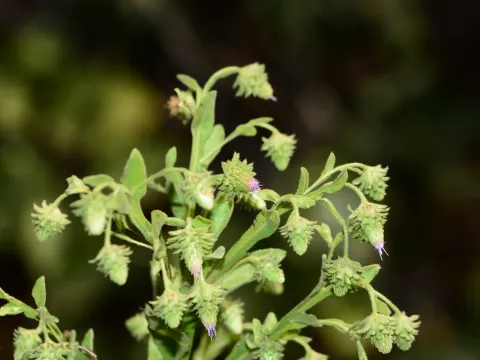
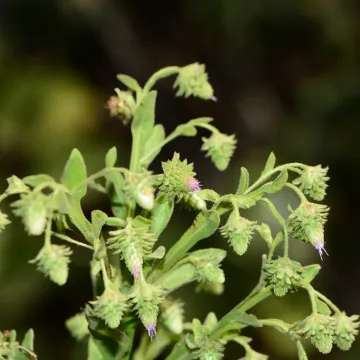
Botanically, Blumea alata is characterized by its unique winged stems, which give the plant its scientific name. The foliage is typically glandular, producing aromatic oils that serve as a natural defense mechanism. The flowers are arranged in yellow capitula, which are clustered in loose, terminal inflorescences typical of the Asteraceae family.
To ensure high yields, Blumea alata requires well-drained, nutrient-rich soils. The ideal agro-technical approach involves maintaining consistent soil moisture while avoiding waterlogging, which is detrimental to the root system. Proper weed management is essential during the early stages of growth to prevent resource competition.
The primary economic use of this plant centers on the extraction of essential oils and active compounds for pharmaceutical applications. The crop is susceptible to common pests such as aphids and spider mites, which can be managed through integrated pest management strategies. Diseases like fungal rot and powdery mildew can occur if ventilation and drainage are insufficient.
Photo gallery