Blumea bifoliata
Blumea bifoliata
Description
Blumea bifoliata is an annual herbaceous plant belonging to the Asteraceae family. While primarily found in wild populations, this species is of significant interest to the pharmacological industry due to its complex biochemical profile, which includes essential oils, terpenoids, and various flavonoids used in herbal medicine.
The plant is native to the regions of South and Southeast Asia. Its natural range encompasses the tropical climates of India, Indochina, and the Indonesian archipelago. The species thrives in open, sunny environments and is frequently found colonizing disturbed habitats, roadsides, and areas with consistent moisture levels, showing high adaptability to varying ecological conditions.
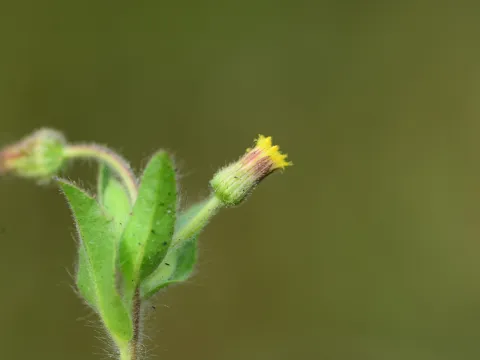
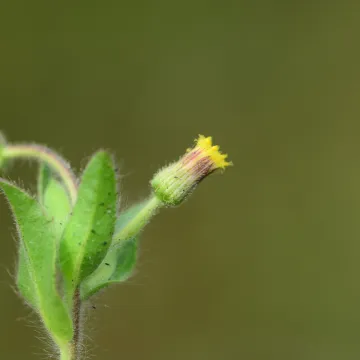
From a botanical perspective, the plant is characterized by an erect stem that often branches toward the apex. The leaves possess a distinct shape and a fine pubescence, typical of the Blumea genus. Small, yellow flower heads are arranged in loose terminal inflorescences. The root system is moderately developed, providing sufficient anchorage while allowing the plant to exploit nutrients from the topsoil.
Agricultural requirements include a stable tropical temperature range and adequate soil moisture throughout the growing season. The plant requires full solar exposure to maximize the production of secondary metabolites; shading often results in reduced medicinal potency. Optimal soil types are light loams or sandy soils with good drainage, neutral pH levels, and proper aeration to prevent root rot.
The economic value of this crop is primarily linked to its medicinal applications.
- Use as a traditional antiseptic agent.
- Utilization of extracts for anti-inflammatory properties.
- Research potential of essential oils in the skincare industry.
Photo gallery