Bonnetia stricta
Bonnetia stricta
Description
Bonnetia stricta is a unique plant species belonging to the Bonnetiaceae family. Unlike standard agricultural crops, this species is a wild perennial shrub or small tree, notable for its adaptation to the harsh and highly specific environment of the South American mountain highlands.
The native range of this plant is restricted to the high-altitude plateaus known as tepuis in Venezuela and the broader Guiana Shield. These ecosystems are characterized by their isolation, ancient geological formations, and unique microclimates that foster the development of highly specialized botanical life forms.
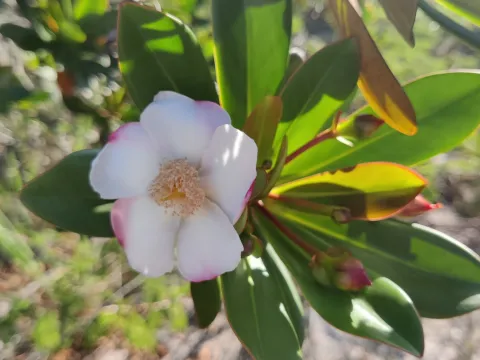
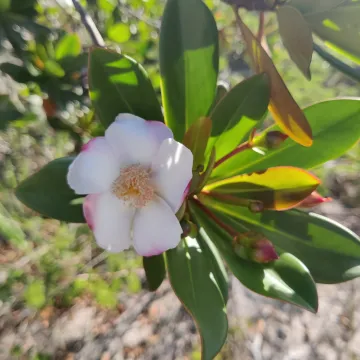
Botanically, Bonnetia stricta exhibits distinctive traits such as coriaceous (leathery) leaves designed to conserve moisture and endure heavy rainfall. The plant structure is compact, reflecting its adaptation to nutrient-poor, acidic, and often waterlogged or rocky substrates typical of the Guiana Highland environment.
Regarding cultivation requirements, this species has no history of agricultural use. It thrives only within the specific environmental parameters of its native habitat, requiring constant moisture, high humidity, and acidic soil conditions. It is not suitable for traditional farm cultivation, as its ecological requirements are too complex to replicate in standard commercial agriculture.
In terms of economic use and health, Bonnetia stricta serves primarily as an object of botanical and ecological research. It is essential for soil stability on mountain slopes and provides a habitat for specialized high-altitude microfauna. Due to its status as a non-commercial wild species, there is no standardized record of agricultural pests or diseases affecting it in an agronomic sense.
- Family: Bonnetiaceae
- Native Habitat: Guiana Shield (tepuis)
- Growth Type: Perennial woody shrub
- Adaptations: Specialized leaf structures for moisture regulation
Photo gallery