
Description
Borneo-teak (scientific name Intsia bijuga) is a prominent tropical tree belonging to the Fabaceae family. Widely recognized in the international timber market as Merbau, it is a majestic evergreen species characterized by its massive stature and high-density wood. This tree is a vital component of tropical forests and is increasingly studied for sustainable silviculture purposes.
The native range of Intsia bijuga extends across the tropical zones of the Indian and Pacific Oceans, spanning from East Africa and Madagascar through Southeast Asia to the Pacific islands. It is typically found in coastal forests, mangrove margins, and low-lying inland areas. Its ability to tolerate various environmental conditions, including salt-laden air and periodic flooding, makes it a resilient species in its natural habitat.
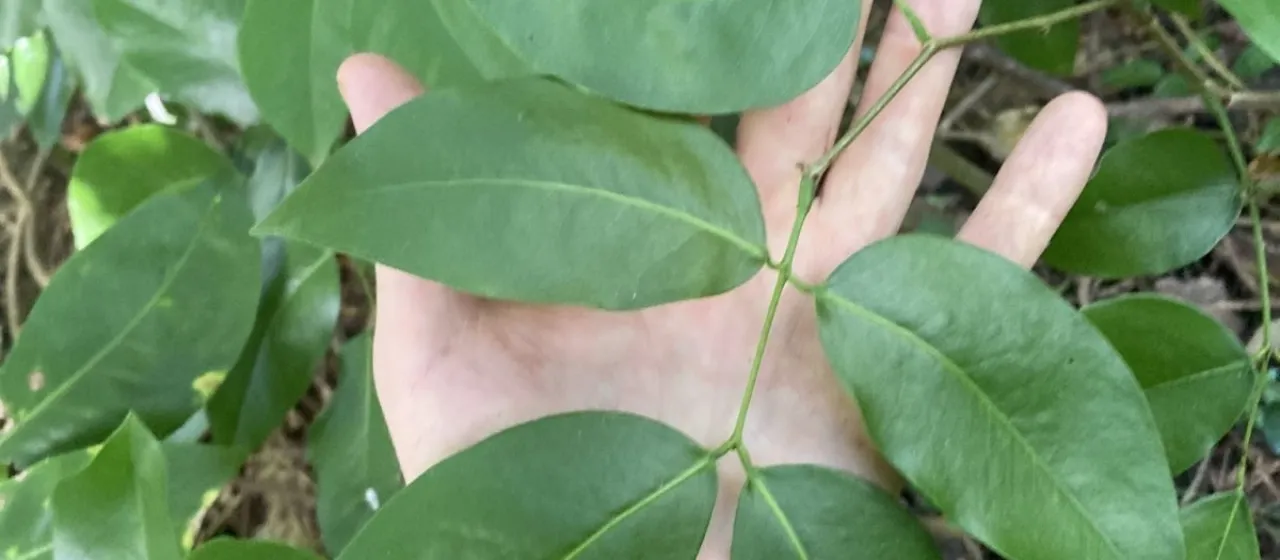
Botanically, the tree features pinnate leaves with leathery leaflets and produces significant flat, brown pods containing several seeds. The flowers are small, often white or pinkish, and arranged in terminal clusters. As a legume, it contributes to soil fertility, although its primary economic value lies in its slow-growing, exceptionally hard, and durable timber, which is highly sought after for both structural and decorative uses.
Agricultural management of Borneo-teak involves selecting sites with high humidity and fertile, well-draining soils. While the species is hardy once established, seedlings require careful protection from direct, intense sunlight and competition from weeds during their initial growth stages. Systematic irrigation and nutrient management are essential in the early years to foster a strong root structure and straight, healthy trunk development.
The economic utilization of this tree is extensive, particularly in the construction and furniture industries. The wood, known as Merbau, is prized for several key characteristics:
- Remarkable dimensional stability and resistance to warping.
- Natural resistance to termite attacks and fungal decay.
- Rich reddish-brown color that darkens significantly over time.
- High density suitable for high-traffic flooring and heavy construction.
Like any tropical plantation crop, Borneo-teak is susceptible to specific pests and pathogens. Wood-boring beetles are a primary concern for foresters, as they can degrade the quality of the timber. Additionally, soil-borne fungi can pose a risk to young saplings in excessively moist or poorly managed soil environments. Integrated pest management (IPM) strategies, including proper plantation spacing and regular health inspections, are critical for maintaining healthy and productive stands.