Redgrass
Bothriochloa ambigua
Description
Redgrass (Bothriochloa ambigua) is a perennial grass species belonging to the Poaceae family. In agricultural settings, it is recognized for its significant resilience and ability to thrive in harsh environments. As a hardy grass, it serves as a staple component of pastoral ecosystems, providing essential cover and grazing potential in regions prone to moisture stress.
The plant originates from Australia, where it is a natural component of grassland vegetation. Its native habitat ranges from open plains to disturbed scrublands, which has contributed to its high level of ecological adaptability. Today, it is recognized as a valuable species for land management in dry climates, where it often forms the backbone of natural pasture lands.
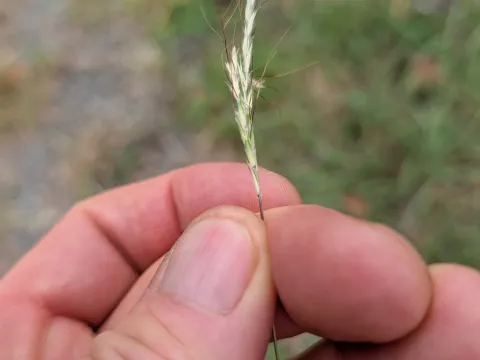
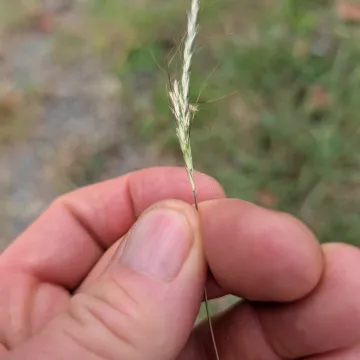
Botanically, Bothriochloa ambigua is characterized by its tufted growth habit and stiff, narrow leaf blades. The root system is deep and expansive, allowing the plant to reach subterranean moisture and stabilize loose soil profiles. The inflorescence consists of panicles that provide high seed output, facilitating the plant's spread across various types of terrain.
When it comes to agronomic requirements, Redgrass thrives in well-drained soils and is particularly tolerant of low-fertility substrates. It does not require intensive cultivation; instead, it responds well to rotational grazing management that allows for periodic recovery. The plant is notably robust against common fungal diseases and pests that typically impact agricultural grain crops.
The primary economic use of Redgrass lies in livestock grazing and soil conservation efforts. While its nutritional quality is highest in the vegetative stage, it remains a reliable source of biomass for grazing animals during late spring and summer months. Its ability to combat soil erosion makes it an excellent candidate for land reclamation and biodiversity restoration projects.
- Excellent drought and heat tolerance.
- Strong root system for erosion control.
- Thrives in nutrient-poor and degraded soils.
- Minimal need for synthetic fertilizer application.
Photo gallery