Cane bluestem
Bothriochloa barbinodis
Description
Cane bluestem (lat. Bothriochloa barbinodis) is a perennial grass species belonging to the Poaceae family. In agronomy, it is recognized as a hardy forage plant capable of thriving in harsh, semi-arid environments where other conventional grass species might fail.
Native to North and South America, this grass is predominantly found in open plains and rangelands. Its natural distribution spans from the southern United States through Mexico to South America. It has been successfully utilized for decades in rangeland management programs aimed at improving grazing quality in dry regions.
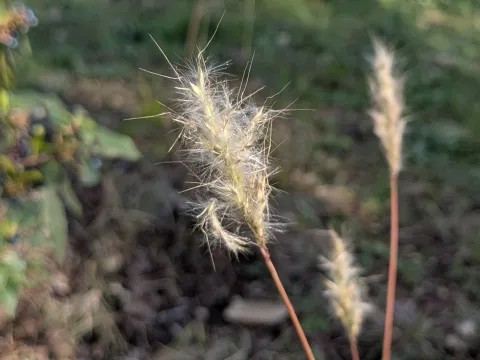
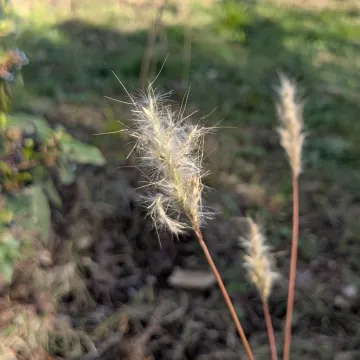
The plant exhibits a bunch-grass growth habit, forming dense clumps that provide excellent soil cover. It typically reaches heights of 50 to 120 cm. A key identification feature is the inflorescence, which consists of silvery-hairy panicles that appear at the end of the stems, distinguishing it from other bluestem varieties.
Regarding cultivation, Cane bluestem prefers full sun and is exceptionally drought-tolerant. It is not picky about soil types, showing good results on sandy, rocky, or gravelly soils. However, it requires excellent drainage; waterlogged soils are detrimental to the root system and can lead to rapid stand decline.
Key agricultural uses include:
- Grazing for livestock, particularly during mid-to-late growing seasons.
- Soil stabilization and erosion control on sloped or degraded lands.
- Inclusion in reseeding mixes for pasture restoration.
- Serving as a habitat plant for local wildlife in managed landscapes.
Like many wild grasses, this species can be susceptible to foliar diseases such as rust fungi, especially if environmental conditions become unusually humid. Common pests include various grasshopper species that feed on the foliage. Effective management involves rotational grazing to prevent overgrazing and maintain the vigor of the plant population throughout the year.
Photo gallery