Bouchetia erecta
Bouchetia erecta
Description
Bouchetia erecta is a herbaceous plant species within the Solanaceae (nightshade) family. While not a conventional staple crop on a global scale, it is a plant of botanical significance, appreciated by researchers for its unique evolutionary position within the nightshade lineage. Understanding its physiology provides valuable insights into the resilience of the Solanaceae family.
The plant originates from the Americas, primarily identified in regions across Mexico and parts of South America. It is typically found in arid and semi-arid environments, favoring open, sunny landscapes with rocky or sandy soil compositions. In agricultural contexts, its cultivation is largely focused on specialized nurseries and research facilities aimed at preserving rare genetic diversity.
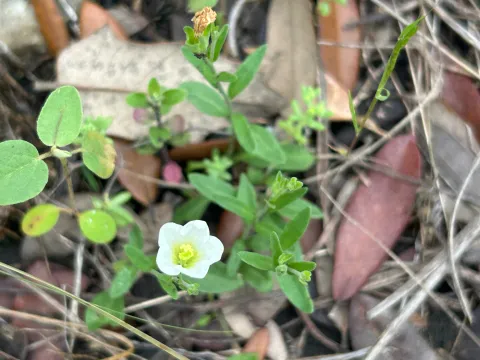
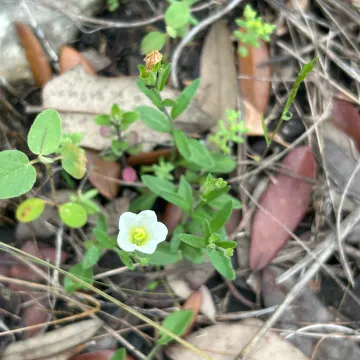
Botanically, Bouchetia erecta is characterized by its erect growth habit, reaching heights of 20 to 40 centimeters. The plant produces simple, lanceolate leaves and tubular, bell-shaped flowers that are highly attractive to local pollinators. Its ability to produce high-quality seeds in varied environments makes it an interesting subject for seed propagation studies.
To ensure healthy growth, the species requires well-draining, loose soil and a location with significant sun exposure. It is somewhat drought-tolerant once established but benefits from consistent moisture during its flowering period. Agronomic management involves regular soil aeration and the avoidance of stagnant water, which is critical to preventing common nightshade diseases.
Potential agricultural and commercial uses for this species include:
- Ornamental horticulture in xeriscaping projects.
- Serving as a genetic resource for breeding programs targeting drought tolerance in Solanaceae.
- Educational or scientific research into plant adaptation strategies.
Regarding phytosanitary management, Bouchetia erecta is susceptible to typical nightshade pests, including aphids and spider mites, which can sap the plant's vitality. Furthermore, producers should monitor for root rot pathogens if soil conditions become waterlogged. Integrated pest management (IPM) practices, such as biological control and precise irrigation, are the most effective strategies for maintaining healthy populations.
Photo gallery