Bahama strongbark
Bourreria ovata
Description
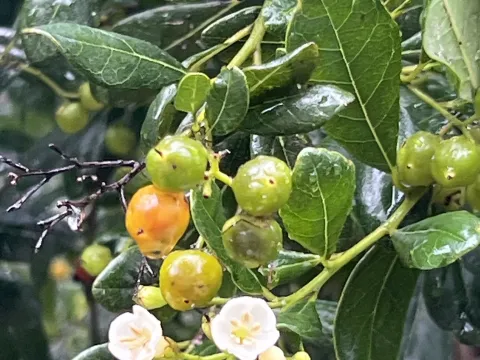
Bahama strongbark (Bourreria ovata) is a robust tree or shrub belonging to the Boraginaceae family. It is a highly resilient evergreen species recognized for its dense foliage and ability to thrive in harsh coastal environments where many other plants would fail to establish.
The native distribution of this species spans the Caribbean, including the Bahamas, Turks and Caicos, and extends to Southern Florida. Historically and naturally, it inhabits limestone-based soils and coastal thickets, showing a remarkable physiological adaptation to saline winds and intermittent water availability typical of these tropical regions.
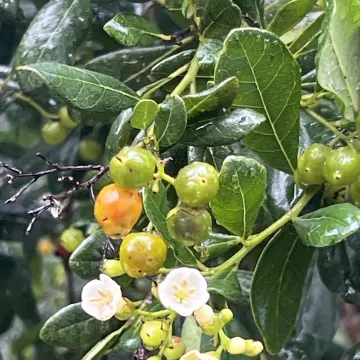
Botanically, the plant is characterized by its stiff, oval-shaped leathery leaves that form a dense, protective canopy. During the flowering season, the tree produces clusters of fragrant, white to cream-colored flowers. The subsequent fruit production provides a vital food source for local bird populations, acting as an ecological cornerstone in its native habitat.
Cultivation requirements necessitate well-draining soil, preferably with high alkalinity, mimicking its native limestone environments. Irrigation should be supplemental during dry periods but carefully managed to avoid waterlogging, which the roots cannot tolerate. As a frost-sensitive plant, it must be grown in climate zones where temperatures remain well above freezing throughout the year.
The primary horticultural use of Bourreria ovata is in sustainable landscaping, especially in seaside locations where salt spray is a major factor. The plant's structural properties make it an excellent choice for ornamental screens and hedges. Key landscape advantages include:
- High salt tolerance suitable for beachside properties.
- Low-maintenance requirements once established.
- Excellent structural form for formal and naturalized gardens.
- Ecological benefits for local wildlife conservation.
Regarding plant health, the most common threats include sap-sucking pests like aphids and scale insects, which can be managed through regular monitoring and appropriate horticultural oils. Diseases are rare if the soil drainage remains optimal, but root rot can occur if soil conditions are poorly managed. Proper spacing and airflow are critical to preventing fungal issues.
Photo gallery