Bouteloua aristidoides
Bouteloua aristidoides
Description
Bouteloua aristidoides, commonly known as needle grama, is an annual grass belonging to the Poaceae family. It is a highly specialized plant species that has adapted to thrive in desert environments where water scarcity prevents the growth of most conventional forage crops.
Native to the arid regions of the southwestern United States and Mexico, this grass occupies a vital niche in desert ecosystems. It is frequently found in open, sandy plains and desert scrub areas, where it plays an essential role in stabilizing soil and providing limited but crucial forage during the infrequent rainy seasons.
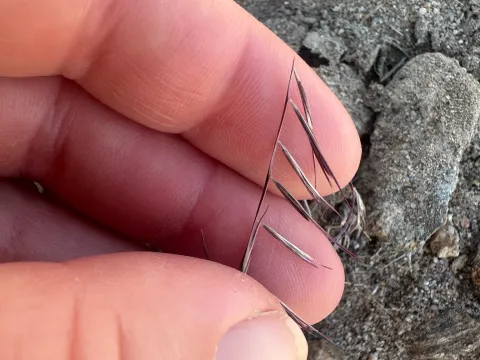
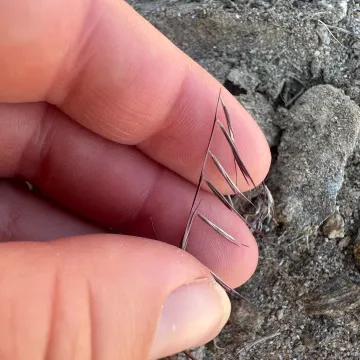
Botanically, this species is characterized by its slender stems and narrow, linear leaves. The inflorescence is a one-sided spike, which is typical for the Bouteloua genus. Its physiological adaptation includes a very rapid germination and growth phase, allowing the plant to reach maturity and produce seeds before the brief seasonal soil moisture evaporates.
In terms of agricultural requirements, needle grama thrives best in well-drained, sandy or gravelly soils. It requires full solar exposure and is highly sensitive to shade. Standard agricultural practices for this plant involve managing soil integrity to promote natural reseeding, as the plant relies on its seed bank to persist through multi-year droughts.
The primary economic use of this culture is as a forage source in rangelands, particularly for livestock grazing in extreme arid conditions. While it may not provide high yields of biomass, its nutritional value during the growing season is significant for local animal husbandry. Common threats to its population include fungal rusts and sporadic outbreaks of desert locusts, which can significantly damage natural forage stands.
Photo gallery