Bouteloua heterostega
Bouteloua heterostega
Description
Bouteloua heterostega is a perennial grass species belonging to the Poaceae family. This plant is recognized for its ability to thrive in harsh, water-limited environments, making it a significant component of grasslands in tropical and subtropical regions of the Americas, particularly within the Caribbean basin.
The origin of this species is linked to the dry, open ecosystems where vegetation must endure high temperatures and irregular rainfall. It has successfully adapted to a variety of soil types, preferring well-drained substrates that allow its extensive root system to reach deep moisture reserves, which is critical for its survival during seasonal droughts.
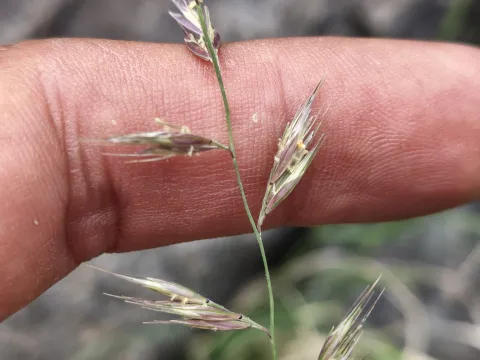
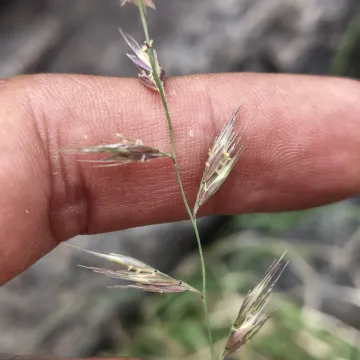
Botanically, Bouteloua heterostega is characterized by its tufted growth habit, forming dense bunches that effectively cover the soil surface. The leaves are narrow and tough, designed to minimize moisture loss. Its inflorescences are distinct, bearing typical unilateral spikes that contain small, wind-pollinated florets. This architecture allows the plant to efficiently propagate via wind dispersal.
Regarding agrotechnical management, this crop thrives under full sun exposure and requires excellent soil drainage. It is highly resistant to overgrazing compared to more sensitive species, yet it performs best when managed with rotational grazing techniques. It requires minimal fertilization, as it is adapted to nutrient-poor soils and optimizes its growth according to available resources.
The primary economic use of this grass is for livestock grazing, as it provides consistent forage in regions where more demanding crops fail to establish. Furthermore, it is a valuable tool for soil conservation and erosion control on sloping lands or degraded areas, helping to stabilize the ground and promote natural ecological restoration in dryland farming systems.
- Excellent drought tolerance.
- Strong soil erosion control properties.
- Resilience to intense grazing.
- Adapted to poor, well-drained soils.
Photo gallery