Bouteloua simplex
Bouteloua simplex
Description
Bouteloua simplex, commonly known as a type of grama grass, belongs to the Poaceae family. It is a resilient species recognized for its ability to thrive in challenging environments, often acting as a key forage component in natural grassland ecosystems throughout the Americas.
The native range of this grass encompasses regions across the Americas, particularly within arid and semi-arid zones of the Southwestern United States, Mexico, and South America. It is typically found in environments characterized by thin, rocky soils, high altitudes, and sparse precipitation, demonstrating remarkable environmental plasticity.
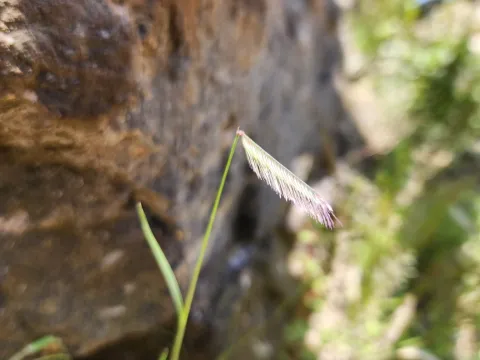
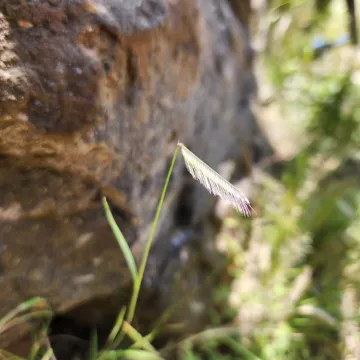
Botanically, the plant is distinguished by its relatively low growth habit and narrow, often fibrous leaf blades. Its inflorescence consists of characteristic one-sided spikes that are diagnostic of the genus Bouteloua. The root system is finely branched, allowing the plant to rapidly capture moisture from limited rainfall events.
Regarding climatic and soil requirements, this species favors well-drained, sandy or gravelly substrates and high levels of solar radiation. It is highly drought-tolerant, meaning it requires little to no supplemental irrigation once established. However, it is sensitive to waterlogged conditions, which can lead to rapid decline in vigor.
The agricultural and economic utility of the plant is primarily focused on livestock grazing. As a forage grass, it provides essential nutrition for ruminants in rangelands where more demanding crops would fail. Additionally, it is highly valued for soil stabilization and environmental restoration projects, as its root architecture helps to minimize erosion in arid landscapes.
- Excellent drought tolerance.
- Adaptation to high-altitude and rocky soils.
- Low maintenance requirements for land management.
- Contribution to sustainable rangeland grazing.
Common diseases and pests typically involve localized fungal infections such as rusts during abnormally wet seasons. Like many wild-type grasses, Bouteloua simplex is generally robust, and pest pressure is usually limited to native insect populations that do not pose a significant threat to established rangeland stands.
Photo gallery