Sucupira
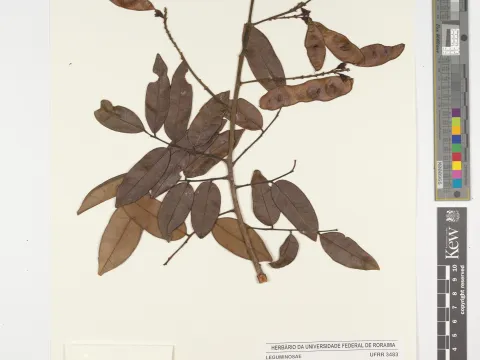
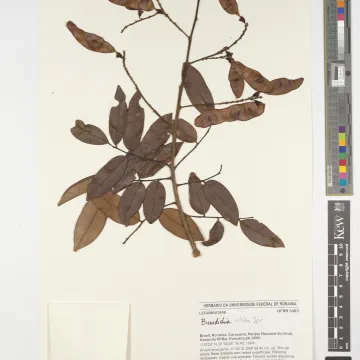
Bowdichia nitida Spruce ex Benth.
Description
Sucupira (Latin: Bowdichia nitida) is a significant tropical tree species belonging to the Fabaceae family. It is highly regarded in the forestry sector for its exceptionally dense and durable timber, as well as for its ecological role as a nitrogen-fixing plant that contributes to soil enrichment in its native ecosystems.
The native range of Sucupira encompasses the tropical regions of South America, primarily within the Brazilian Amazon basin and surrounding rainforest territories. The tree thrives in warm, humid climates where stable temperatures and abundant precipitation support its slow, steady growth into a mature, large-statured forest canopy component.
Botanically, Sucupira is characterized by its pinnate leaves and vibrant floral displays, which serve as an important nectar source for local pollinators. The wood itself possesses a distinctive, interlocking grain and a high degree of hardness, which makes it particularly resistant to physical impact, decay, and infestation by wood-boring insects.
Agrotechnical requirements for growing Sucupira emphasize the need for well-draining, nutrient-rich soils and protection from direct, intense sunlight during the seedling stage. Successful cultivation involves careful management of soil acidity and the maintenance of a humid environment, as the plant is sensitive to prolonged droughts during its early developmental phases.
The primary economic use of Sucupira is the production of premium hardwood. It is widely utilized in the manufacturing of high-end furniture, heavy-duty flooring, and exterior construction materials. Due to its natural resistance to environmental factors, it remains a top choice for projects requiring high structural integrity and longevity.
- High density and durability of the wood.
- Significant natural resistance to termite attack.
- Valuable source of medicinal compounds in traditional ethnomedicine.
- Adaptable to diverse tropical agroforestry systems.
Photo gallery