Bowlesia incana
Bowlesia incana
Description
Bowlesia incana, commonly known as hoary bowlesia, is an annual herbaceous plant belonging to the Apiaceae (parsley) family. In agricultural settings, it is primarily categorized as an opportunistic weed that thrives in temperate and subtropical climates, often invading orchards, vineyards, and field crops.
Originating from South America, the species has successfully naturalized in many parts of the world, including North America, Australia, and parts of Europe. It is frequently found in areas with disturbed soil, where it can quickly establish dense mats, competing with crops for essential resources such as nitrogen, water, and sunlight.
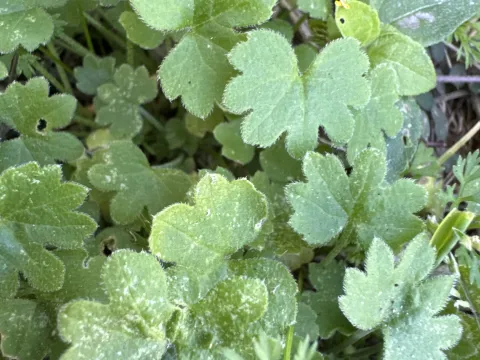
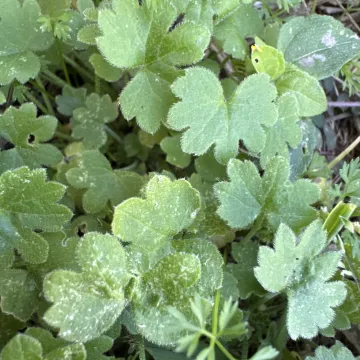
Botanically, the plant is identified by its prostrate to ascending, branched stems covered with fine, stellate hairs, giving it a grayish appearance. The leaves are typically palmately lobed and petiolate. Small, inconspicuous green-white flowers are arranged in umbels, which allow the plant to produce seeds efficiently even during the cool spring or autumn months.
Agronomic management of Bowlesia incana relies heavily on cultural and mechanical controls. Tillage and cultivation are effective in removing young plants before they reach the reproductive stage and set seeds. In fields where heavy infestation occurs, pre-emergence or post-emergence herbicide applications are recommended, as the plant is highly prolific and can quickly dominate the soil surface if left unchecked.
From a phytosanitary perspective, while Bowlesia incana does not have significant direct хозяйственного usage, it acts as a reservoir for various pests and pathogens that affect economically important crops. Regular monitoring and integrated weed management programs are essential to minimize its spread and reduce the dependency on chemical control agents in high-value agricultural systems.
Photo gallery