Broadleaf signalgrass
Brachiaria platyphylla
Description
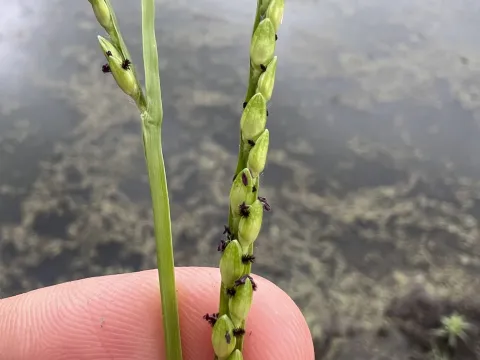
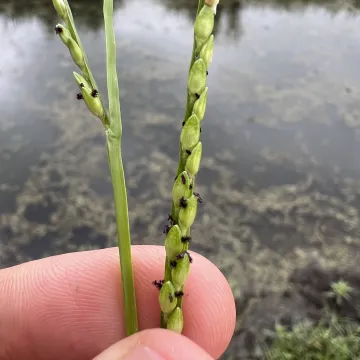
Broadleaf signalgrass (scientific name: Brachiaria platyphylla, often classified as Urochloa platyphylla) is an annual grass species belonging to the Poaceae family. This crop is highly valued in tropical and subtropical agriculture for its rapid growth rate and utility as a forage source for livestock.
Native to the Americas, this species has successfully naturalized across various warm-climate regions. Its range of cultivation is primarily concentrated in areas where moist, fertile soils and high temperatures provide optimal conditions for vigorous biomass accumulation, making it an essential component for grazing systems.
Botanically, it is characterized by its broad, lanceolate leaves and a sprawling growth habit. The stems are capable of rooting at the nodes when they come into contact with moist soil, allowing the grass to spread rapidly and form a dense mat that effectively suppresses competing weed species and protects the soil surface.
The climate requirements for broadleaf signalgrass center on consistent warmth and sufficient water availability. The crop is frost-intolerant and performs best in fertile, well-drained soils. Agricultural practices should focus on maintaining optimal soil moisture and providing adequate nitrogen levels to support the rapid development of vegetative biomass.
The primary agricultural applications of the crop include:
- Rotational grazing for cattle to maximize nutritional intake.
- Production of green forage and silage to supplement feed supplies.
- Erosion control in sensitive landscapes due to its dense, anchoring root system.
Common agricultural challenges involve the management of fungal leaf diseases that thrive in high-humidity environments and potential infestations by various hemipteran pests. Successful production depends on routine field monitoring, proper rotation schedules, and the timely application of control measures to ensure sustained pasture productivity.
Photo gallery