Illawarra Flame Tree
Brachychiton acerifolius
Description
The Illawarra Flame Tree (Brachychiton acerifolius) is a spectacular member of the Malvaceae family, native to the subtropical regions of the east coast of Australia. Known for its brilliant floral display, it is highly sought after by horticulturists and landscape designers across the globe.
In its natural habitat, the tree inhabits rainforest areas, where it can reach significant heights. Outside of its native range, it is widely cultivated in warm climates around the world, serving as a landmark ornamental tree that adds color and texture to gardens, parks, and botanical collections.
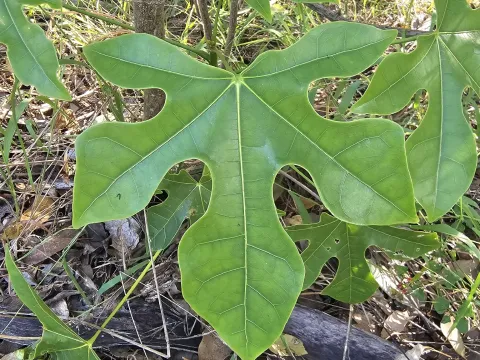
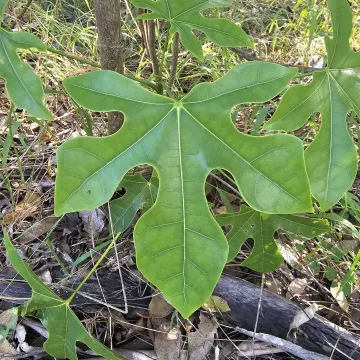
The tree's defining botanical characteristic is its maple-like foliage, which it often sheds before entering its magnificent blooming phase. During this period, the entire canopy becomes covered in clusters of bell-shaped, scarlet red flowers, creating a vivid impression that justifies its common name.
From an agronomical perspective, the species thrives in well-drained, fertile soil and requires full sun exposure to reach its peak vigor. While established trees demonstrate a good tolerance for drought, consistent moisture is vital during the formative years. It is sensitive to frost, making it ideal for tropical and subtropical climates.
Economically and culturally, the Illawarra Flame Tree is primarily utilized for aesthetic purposes. Historically, its inner bark was harvested for durable fibers used in weaving nets and cords. Today, it remains a favorite for large-scale landscaping and is also popular among container gardeners and bonsai enthusiasts.
- Striking scarlet flower display
- High drought tolerance once established
- Excellent architectural tree for landscaping
- Requires well-draining soil to prevent rot
- Sensitive to cold and freezing temperatures
Common pests include scale insects and spider mites, which are particularly problematic in dry or confined environments. Diseases such as root rot can occur if the plant is subjected to poor soil drainage or excessive irrigation. Maintaining optimal soil aeration and monitoring for early pest signs ensures healthy growth.
Photo gallery