Brachyscome aculeata
Brachyscome aculeata
Description
Brachyscome aculeata is an herbaceous perennial plant belonging to the Asteraceae family. Known for its charming, daisy-like flowers, this plant serves as a popular ornamental choice in various gardening applications. While it is native to regions with specific climatic conditions, it is widely appreciated by gardeners for its aesthetic appeal and long-lasting blooming season.
The origin of this species is traced back to Australia, where it naturally inhabits diverse landscapes including rocky areas and open woodlands. This geographical background gives the plant a natural resilience to sunlight and periods of limited moisture. In many regions, it is cultivated as a summer annual due to its inability to survive harsh freezing winters.
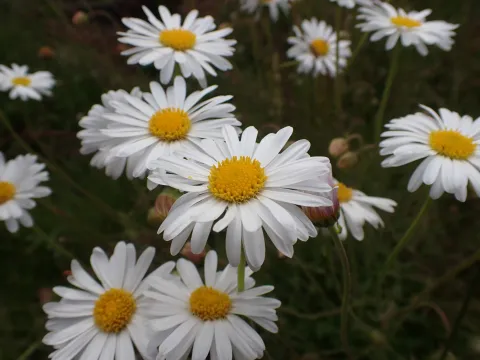
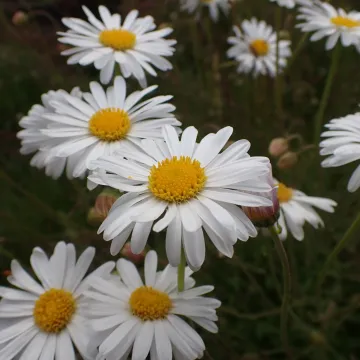
Botanically, the plant is characterized by a basal rosette of foliage from which slender, branching stems emerge. The flowers are arranged in solitary heads with delicate ray florets that range in color from white to blue and purple. The overall height of the plant is usually modest, making it ideal for the front of flower borders or container arrangements.
Successful cultivation requires a location with full sun exposure and soil that offers excellent drainage. Water management is critical; while the plant can withstand some dryness, it does not tolerate "wet feet" or waterlogged soils. Providing balanced liquid fertilizers during the active growing season significantly enhances both the vigor of the plant and the intensity of its flowering.
The primary use of Brachyscome aculeata is decorative, being well-suited for rock gardens, hanging baskets, and mass plantings. Potential pests and diseases include aphids and spider mites, which can be managed with proper monitoring and timely applications of standard horticultural pesticides. Proper spacing is also essential to prevent fungal issues like powdery mildew.
Photo gallery