Brachystegia boehmii
Brachystegia boehmii
Description
Brachystegia boehmii is a prominent deciduous tree species belonging to the Fabaceae family, specifically the subfamily Caesalpinioideae. This tree is a foundational species within the Miombo woodlands, which span vast regions across Southern and East Africa. It is widely recognized for its ecological importance and resilience in harsh tropical savanna environments.
The native range of this species covers countries including Zimbabwe, Zambia, Mozambique, and Tanzania. It thrives in regions characterized by a distinct wet and dry season. The tree is well-adapted to nutrient-poor soils, frequently growing on rocky outcrops and sandy plains where moisture retention is low and temperatures can fluctuate significantly throughout the year.
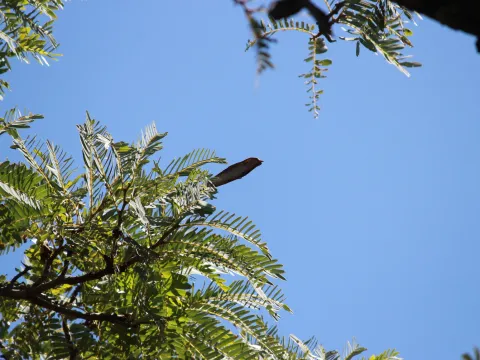
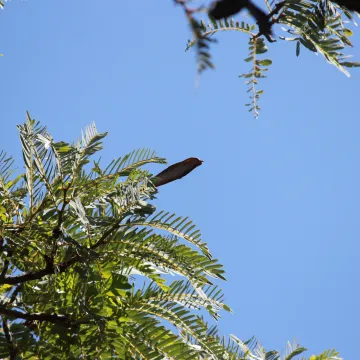
Botanically, Brachystegia boehmii is known for its compound, pinnate leaves, which display beautiful copper or pinkish hues when young. Reaching heights of up to 20 meters, it features a spreading crown and thick bark that provides natural protection against seasonal grass fires. The fruit appears as flat, woody pods that explosively dehisce to disperse seeds during the onset of the dry season.
From an agricultural and forestry management perspective, this species is relatively low-maintenance. It is highly valued for its nitrogen-fixing capabilities, which help improve soil fertility in degraded landscapes. Cultivation is primarily done via seeds, requiring patient management as the tree exhibits a slow to moderate growth rate under natural conditions.
The economic and practical utility of Brachystegia boehmii is significant for local communities. The primary uses include:
- Harvesting timber for domestic construction and utility poles.
- Producing high-quality charcoal for cooking and heating.
- Providing essential nectar sources for honey bees in woodland regions.
- Utilization of bark fibres for traditional weaving and rope production.
Common threats to the health of the tree include termite infestations, which can weaken the root system in arid conditions, and occasionally wood-boring beetles. However, the species is generally robust against local pests and, when managed sustainably within its natural range, can provide long-term benefits for agroforestry systems.
Photo gallery