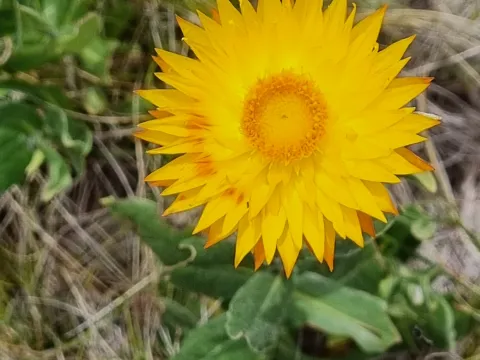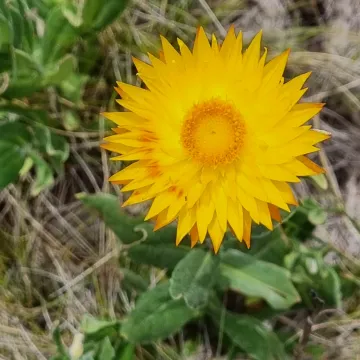
Bracteantha acuminata
Bracteantha acuminata
Description
Bracteantha acuminata is a specialized herbaceous perennial plant belonging to the Asteraceae family. Often referred to in the context of everlasting flowers, it is highly valued for its papery, stiff bracts that allow the inflorescences to retain their shape and color long after the plant has been harvested and dried.
Native to the diverse landscapes of Australia, this species has been domesticated for ornamental purposes worldwide. It adapts to various environments, although it is predominantly grown as an annual in regions where winters are too harsh for its natural perennial lifecycle to continue effectively.
The botanical structure of the plant features erect, branching stems and characteristic acuminate leaves, which give the plant its specific epithet. The flower heads are composed of true florets surrounded by brightly colored bracts, which provide both color and structure, making them remarkably resistant to mechanical damage and dehydration.
To achieve optimal yields, Bracteantha acuminata requires well-drained, sandy loam soils and maximum exposure to sunlight. The plant is drought-tolerant once established but requires consistent irrigation during the peak growth phase. The ideal temperature range for rapid development is 18°C to 25°C, as the plant is highly susceptible to frost damage.
The primary economic use is the professional cut-flower industry and the production of high-quality dried decorative materials.
- Requires thinning to ensure adequate airflow between plants.
- Benefits from periodic liquid fertilizer application during the budding stage.
- Best harvested just before the central florets open fully for maximum longevity.
Key agricultural challenges include managing fungal pathogens, such as powdery mildew and grey mold, which are prevalent in areas with high humidity or poor soil drainage. Pest management strategies should focus on the early detection of aphids and spider mites, which can proliferate rapidly in warm, dry weather conditions, necessitating a proactive integrated pest management approach.
Photo gallery