Gravina Cabbage
Brassica gravinae
Description
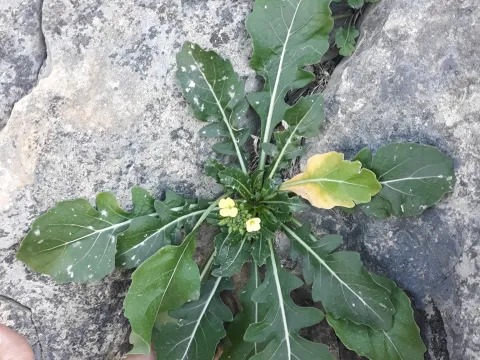
Gravina cabbage (Brassica gravinae) is a distinct species within the Brassicaceae family, often recognized for its botanical uniqueness compared to common commercial cabbage varieties. It is a herbaceous plant that has evolved within specific environmental niches, making it a subject of interest for both taxonomists and agricultural researchers focusing on the preservation of crop genetic diversity.
The origin of Brassica gravinae is traced back to the Mediterranean region, particularly within localized habitats in Italy. Its evolutionary history has endowed it with specific adaptations to local microclimates, allowing it to thrive in environments that would be challenging for more domesticated crops. This geographic confinement makes it a rare and ecologically sensitive species.
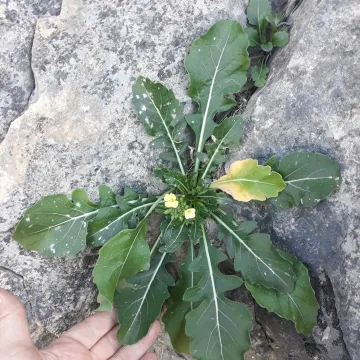
From a botanical standpoint, the plant typically exhibits a vegetative stage characterized by a basal leaf rosette, followed by a reproductive phase involving the development of an upright flowering stem. The flowers are typically yellow, characteristic of the Brassica genus, and develop into siliques (seed pods). Its root system is generally deep and fibrous, reflecting its ability to anchor and thrive in rocky or well-drained Mediterranean soils.
Agricultural requirements for this species include well-aerated, fertile soil with a balanced pH. Proper water management is crucial, as the species does not tolerate waterlogging, which often leads to root rot. Cultivation practices should emphasize weed management and regular soil aeration to promote optimal development of the root system and to ensure vigorous vegetative growth during the main growing season.
The primary utility of Brassica gravinae lies in its potential for genetic improvement of related commercial crops, particularly regarding stress tolerance traits. Like other members of the Brassicaceae family, it is susceptible to pests such as flea beetles and cabbage root flies. Effective management includes monitoring for symptoms of common diseases like clubroot and applying appropriate agronomic control measures.
- Family: Brassicaceae
- Native Habitat: Mediterranean region
- Growth Habit: Herbaceous
- Major Threats: Cabbage moth, flea beetles
Photo gallery