Brassica repanda
Brassica repanda
Description
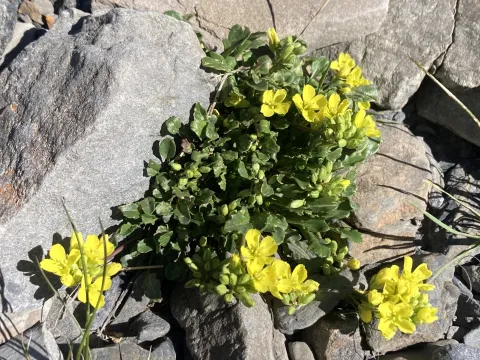
Brassica repanda is a perennial herbaceous plant belonging to the Brassicaceae family. Unlike its famous agricultural relatives such as broccoli or cabbage, this species is a wild plant, primarily recognized for its ability to thrive in harsh, rocky alpine environments where typical crops would fail to survive.
The native habitat of Brassica repanda is restricted to mountainous regions in Western Europe, particularly in the Alps and Pyrenees. It is found growing in limestone crevices and rocky screes. These areas are characterized by thin soil and extreme temperature fluctuations, which the plant has successfully navigated through evolutionary adaptation.
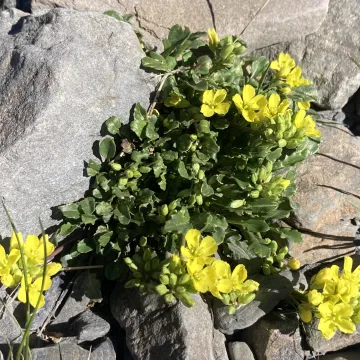
Botanically, the plant is distinguished by a thick, deep-reaching taproot and a rosette of leaves. The foliage often features wavy margins, which is a common adaptation in the genus. The plant growth habit is typically low and compact, allowing it to withstand strong winds and minimize water loss in the nutrient-poor, high-altitude soil conditions where it develops.
Cultivation of Brassica repanda is rare and generally limited to specialized botanical gardens. Requirements include excellent drainage, a substrate rich in calcium, and high light intensity. It is extremely sensitive to moisture accumulation, which can cause root rot, and it requires a distinct dormant period during the winter months to maintain its natural vigor.
The plant is not a standard agricultural crop, so there is no commercial management system for it. However, it is susceptible to typical Brassicaceae pests, such as flea beetles and various fungal pathogens. In terms of use, its main value lies in the genetic pool it represents for future crop breeding programs, specifically for developing varieties with high resilience to extreme abiotic stress and environmental instability.
Photo gallery