Braya linearis
Braya linearis
Description
Braya linearis is a perennial herbaceous plant belonging to the Brassicaceae (mustard) family. This species is highly specialized, having evolved to thrive in extreme conditions typical of alpine environments and high-latitude arctic regions, making it a subject of interest in ecological studies.
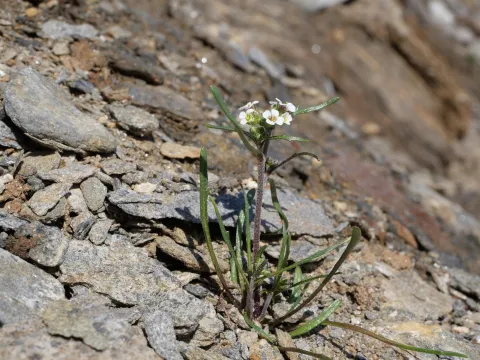
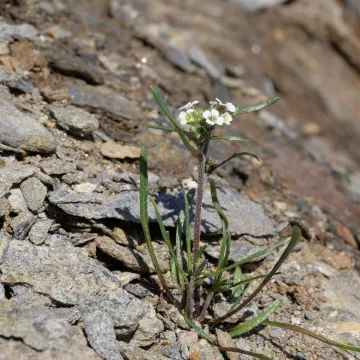
Originating from cold climates, specifically in parts of Scandinavia, this plant does not have a history of commercial cultivation. It is exclusively found in the wild, inhabiting rocky screes, gravelly slopes, and tundra-like ecosystems. Its natural range is fragmented due to the specific ecological niches it occupies.
Botanically, the plant is characterized by its linear, narrow leaves forming a basal rosette and erect flowering stems. It produces small, delicate flowers, typically white or pale pink, arranged in racemes. The root system is adapted to anchor the plant firmly in unstable, stony substrates where few other plants can survive.
The environmental requirements include high solar radiation, excellent soil drainage, and alkaline substrate conditions. It is extremely cold-hardy, capable of surviving sub-zero temperatures and frost, but it is highly sensitive to competition from vigorous species and requires a low-nutrient, open environment to persist.
There are no agricultural applications for Braya linearis, as it is a rare wild species often protected under conservation laws. Due to its isolated and harsh natural habitats, the plant has no major economic pests or pathogens, maintaining its health through low population density and environmental severity.
- Family: Brassicaceae
- Habit: Perennial herb
- Key adaptation: Frost tolerance
- Habitat: Alpine/Arctic scree
Photo gallery