Brazilian peppertree
Schinus terebinthifolia Raddi
Description
Schinus terebinthifolia, commonly known as the Brazilian peppertree, is a prominent member of the Anacardiaceae family. This evergreen species is primarily cultivated for its dried berries, which are globally traded as "pink peppercorns" and valued for their unique aromatic profile in culinary applications.
Originating from subtropical and tropical regions of South America, including Brazil, Paraguay, and Argentina, the plant has demonstrated significant environmental adaptability. While it is highly prized in its native range, it has successfully established itself in various global regions, particularly where frost-free conditions prevail, acting as both an ornamental and a spice-producing crop.
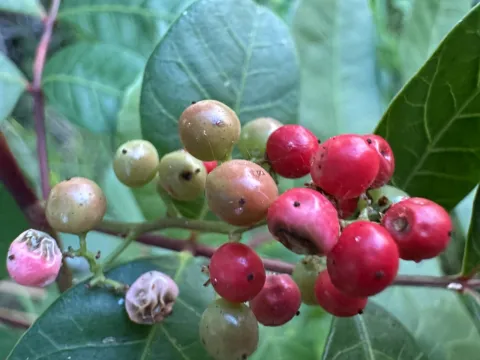
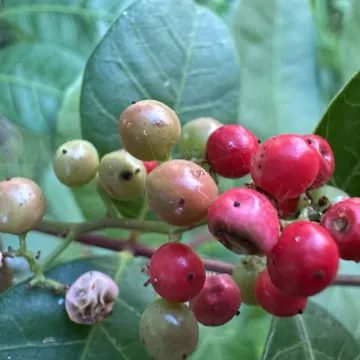
Botanically, it typically manifests as a spreading shrub or a small tree reaching heights of up to 10 meters. The plant features pinnately compound leaves and small, white flowers that develop into clustered, bright red drupes. These fruits are responsible for the plant's high visual appeal and its economic value in the spice market.
Agronomically, this species thrives in well-drained soils and requires full sun exposure for optimal fruit production. It is highly drought-tolerant once established but performs poorly in waterlogged or strictly frost-prone areas. Propagation is generally achieved via seeds or stem cuttings, with standard pruning practices employed to maintain plant vigor and access to the berries.
Key areas of economic utilization include:
- Commercial harvest of drupes for the gourmet spice industry.
- Extraction of essential oils for use in the fragrance and pharmaceutical industries.
- Use in sustainable reforestation and soil stabilization projects.
- Ornamental horticulture in urban landscaping and botanical gardens.
The crop is susceptible to certain pests, including scale insects and mites, which can sap the plant's energy if infestations are severe. Fungal pathogens, specifically those causing root rot, remain a primary concern in soils with poor drainage. Integrated pest management strategies are recommended to maintain plant health without compromising the quality of the harvested produce.
Photo gallery