Breea setosa
Breea setosa
Description
Breea setosa, scientifically known as Breea setosa (often classified under Cirsium), is a perennial herbaceous plant belonging to the Asteraceae family. In agricultural science, it is recognized as a persistent and invasive weed that poses a significant challenge to farmers due to its robust root system and ability to compete aggressively for resources.
The origin and native range of this species encompass diverse environments across Eurasia. It thrives in temperate climates, frequently colonizing disturbed sites, riparian zones, and agricultural fields. Its preference for nutrient-rich, moist soils makes it a common invader in crop fields where it can drastically reduce yields if left unmanaged.
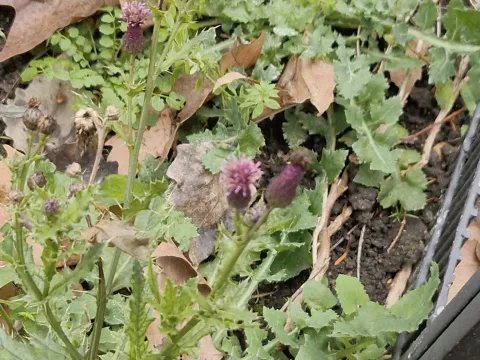
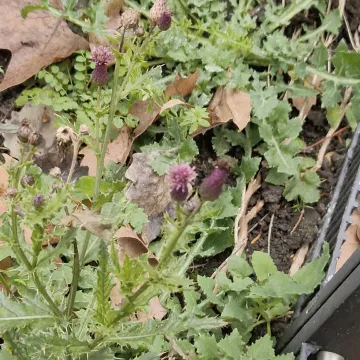
From a botanical standpoint, Breea setosa is characterized by a vigorous perennial root system with horizontal and vertical extensions capable of producing new shoots. The plant grows to approximately 100-120 cm in height, with serrated, spiny leaves that act as a deterrent. The reproductive strategy relies heavily on vegetative spread, although it also produces achenes equipped with a pappus for wind dispersal.
Effective management in agricultural settings requires a multi-faceted approach. Recommended practices include:
- Deep cultivation to disrupt and desiccate the root network.
- Implementation of competitive crop rotations that shade out weed development.
- Targeted herbicide applications during the rosette stage to ensure systemic translocation.
- Mechanical mowing or trimming to deplete nutrient reserves stored in the roots.
While the plant is not commercially utilized, understanding its pest and disease profile is essential for ecological research. It is susceptible to various fungal pathogens such as rusts and powdery mildew, which can occasionally suppress its density. Controlling Breea setosa is crucial for maintaining the health and productivity of the surrounding agricultural ecosystem.
Photo gallery