Nodding brome
Bromus anomalus
Description
Nodding brome (Bromus anomalus) is a perennial grass species belonging to the Poaceae family. It is recognized in agricultural science for its role in pasture development, providing high-quality forage for livestock and serving as a reliable component in soil conservation projects across varied landscapes.
The species is native to North America, predominantly found in the western regions, ranging from mountainous terrains to lower-elevation meadows. Its wide geographical distribution highlights its evolutionary adaptation to diverse habitats, including forest fringes and open prairies, where it thrives under varying degrees of sun exposure.
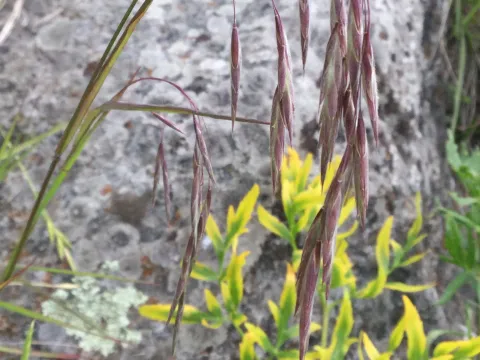
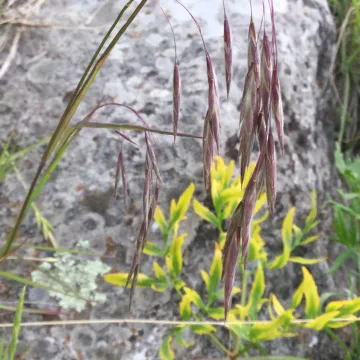
Botanically, it is identified by its distinct drooping inflorescences, which give it the common name 'nodding'. The plant typically grows in bunches, featuring pubescent stems and leaf blades. These features contribute to its drought resistance, allowing the grass to maintain productivity during dry summer months.
Regarding agrotechnics, Nodding brome requires well-drained, fertile soil to reach its peak yield potential. While it is tolerant of various soil types, it performs best in neutral to slightly alkaline environments. Successful cultivation involves regular monitoring of soil moisture levels, as waterlogging is detrimental to its root health during the initial establishment phase.
Agricultural utility is primarily focused on livestock feed and land restoration. It provides nutritious forage that is palatable to cattle and sheep. While relatively hardy, farmers should be aware of potential issues such as fungal pathogens and common insect pests, which are typically managed through proper crop rotation and grazing management strategies.
Photo gallery