Sand brome
Bromus arenarius
Description
Sand brome (Bromus arenarius) is an annual grass species belonging to the Poaceae family. This plant is recognized for its remarkable ability to thrive in extreme arid conditions, specifically within sandy soil environments where moisture levels are insufficient for more demanding forage crops. It serves as a vital biological component of natural pastures in its native habitats.
The species originates from regions with hot, dry climates, most notably in Australia. Its range of cultivation is restricted to areas characterized by light, sandy substrates with minimal nutrient content. Due to its adaptation to harsh environments, it has become a plant of interest for land reclamation projects and soil stabilization in desertified zones.
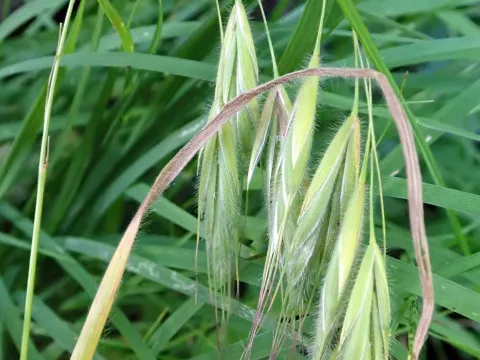
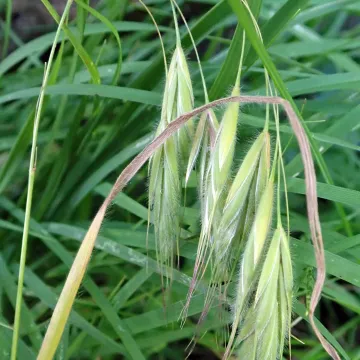
Botanically, Bromus arenarius is defined by its slender, often pubescent foliage and a loose, spreading panicle inflorescence. Its root system is shallow but efficient at utilizing ephemeral water sources. The plant's height usually ranges between 20 to 50 cm, allowing it to complete its life cycle quickly before the onset of prolonged heatwaves.
Regarding cultivation requirements, the species does not perform well under intensive agricultural management. It prefers high solar exposure and well-aerated sandy soil. Heavy clay soils or excessive fertilization are detrimental to its growth, as the plant is specifically evolved for oligotrophic conditions where competition for resources is low.
Key areas of agricultural and environmental utilization include:
- Stabilization of dunes and sandy soils to combat wind erosion.
- Contribution to the forage base in extensive livestock grazing systems.
- Use in restoration ecology for arid and semi-arid landscape recovery.
The plant is susceptible to common cereal pathogens, including rusts and smuts, particularly in micro-environments with higher relative humidity. Major pests, such as grass-feeding aphids and various beetle species, can negatively impact seed production. Successful management relies on ecological monitoring rather than the heavy use of chemical inputs.
Photo gallery