Short brome
Bromus brevis
Description
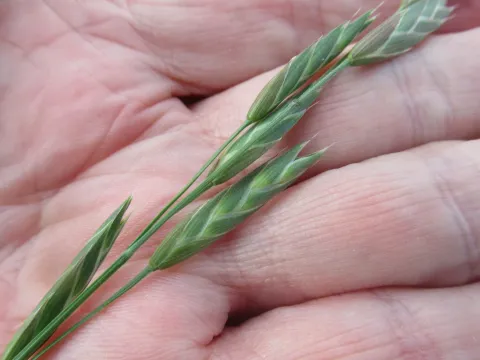
Short brome (Latin: Bromus brevis) is a perennial grass species belonging to the Poaceae family. It is recognized in the agricultural community as a valuable forage plant, valued for its vigorous growth habits, durability, and high adaptability to various grazing management systems.
Originally native to South America, particularly regions within Argentina and Uruguay, this species has been integrated into forage production systems globally. Its range of cultivation is expanding due to its ability to thrive in moderate climates, providing a reliable source of green mass for livestock even in challenging environmental conditions.
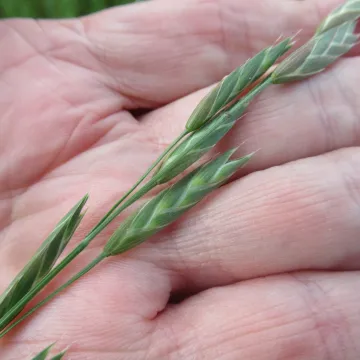
The botanical structure of Bromus brevis is characterized by a robust root system and dense tillering, which helps in soil conservation and prevention of erosion. The leaves are typically broad for a brome species, offering high palatability for livestock. During the reproductive phase, the plant produces distinctive panicles rich in seeds, which contributes to its successful persistence in pastures.
Agricultural requirements for short brome focus on optimizing soil fertility and moisture management. Successful cultivation requires attention to the following aspects:
- Optimal seedbed preparation to ensure uniform germination.
- Strategic nitrogen fertilization to boost vegetative growth.
- Appropriate grazing or mowing intervals to encourage regrowth.
- Maintenance of soil pH levels for maximum nutrient uptake.
The primary use of short brome is as a high-quality forage source for cattle and sheep. Its nutritional profile, characterized by good protein content and balanced fiber levels, makes it an ideal choice for both intensive grazing rotations and hay production. It is highly valued for its ability to recover quickly after harvest, ensuring consistent feed availability throughout the season.
Like many graminoid crops, short brome can be susceptible to common fungal diseases such as rusts and powdery mildew, especially under humid conditions. Pests like aphids and leaf-eating beetles may occasionally impact yields. Preventive measures include crop rotation and monitoring plant health, which remain essential components of an effective agronomic program for this species.
Photo gallery