Pumpelly's brome
Bromus pumpellianus
Description
Pumpelly's brome (Latin: Bromus pumpellianus) is a robust perennial grass belonging to the Poaceae family. This species is highly valued in agriculture for its significant winter hardiness and its ability to thrive in harsh, northern climates. It plays a critical role in forage production, providing reliable yield for hay and grazing in regions where other forage grasses may struggle to survive.
The native range of this plant includes the high latitudes and mountainous regions of Siberia and North America. It is typically found in meadows, river valleys, and along forest edges. Due to its deep and aggressive root system, it is exceptionally well-suited for soil stabilization and reclamation projects, preventing erosion on slopes and degraded agricultural lands.
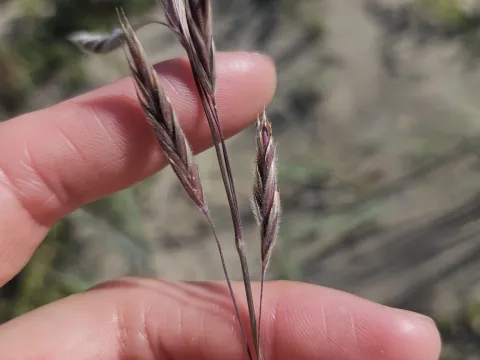
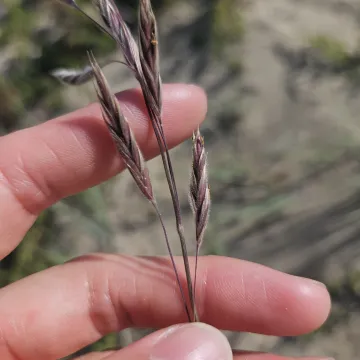
Botanically, it is a tufted perennial grass reaching heights of 60 to 100 centimeters. It features upright stems and broad, often pubescent leaves. The inflorescence is a panicle that can be either contracted or open, housing multiple florets. The plant is characterized by its high vigor and rapid spring green-up, which allows it to provide early-season forage before many other species reach peak growth.
Regarding cultivation, Pumpelly's brome is relatively undemanding, though it thrives best in well-drained loamy soils with neutral pH. It exhibits excellent drought tolerance once established. The agronomic management involves proper seedbed preparation and early fertilization to encourage root development. Since it is a persistent perennial, proper grazing management or rotational harvesting is necessary to maintain the health and density of the stand.
- Superior cold tolerance for boreal climates.
- Good regrowth potential for secondary harvesting.
- Highly palatable forage for cattle and horses.
- Effective erosion control on sensitive soils.
- Longevity in permanent hay meadows.
The primary agricultural use for Pumpelly's brome is as high-quality forage for livestock. It is harvested for hay, haylage, or grazed directly. While generally resilient, the crop can be susceptible to common grass diseases like rusts or smut if the stand becomes too dense or ventilation is poor. Integrated pest management, focusing on proper density and timely mowing, is the best strategy for maintaining high-yielding and healthy stands over many seasons.
Photo gallery