Canary broom
Cytisus canariensis Steud.
Description
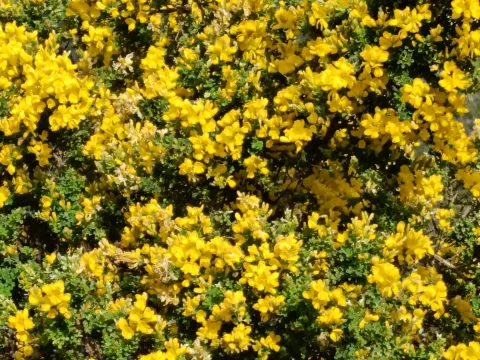
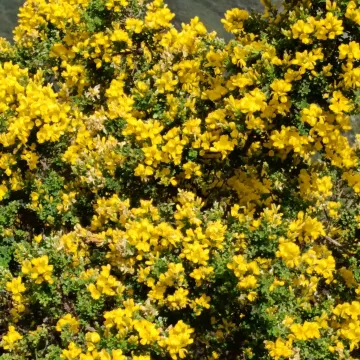
Canary broom (Cytisus canariensis) is an evergreen or semi-evergreen shrub belonging to the Fabaceae family. It is highly valued in horticulture for its dense, vibrant yellow flowers and distinct, sweet fragrance. As a member of the pea family, it displays typical leguminous traits and adds significant ornamental value to gardens in suitable climate zones.
Originating from the Canary Islands, this plant has adapted to Mediterranean-type climates with mild winters. In areas with harsh frost, it is typically grown as a container plant, allowing it to be moved indoors during colder months. The species requires consistent light and temperature conditions to maintain its health and bloom potential throughout the year.
Botanically, the plant features trifoliate leaves and produces numerous racemes of bright yellow, pea-like flowers. Its root system is moderately aggressive, often developing nitrogen-fixing nodules that allow it to thrive in nutrient-poor soils. The stems are slender and woody, requiring structural management to prevent the plant from becoming leggy or top-heavy.
Cultivation practices focus on providing well-drained, slightly acidic to neutral soil. The shrub is drought-tolerant once established but performs best with regular watering during the primary growing season. Pruning is essential; cutting back the shoots immediately after flowering ensures the plant remains compact and encourages a stronger bloom cycle for the following year.
- Full sun exposure for optimal flowering.
- Excellent soil drainage to prevent root rot.
- Regular pruning to maintain shape and density.
- Protection from freezing temperatures in cold climates.
In landscaping, Canary broom is often used in border plantings, rock gardens, or as a decorative container plant for patios. Beyond its aesthetic appeal, it serves as a valuable nectar source for bees and other pollinators. Gardeners should monitor for common pests such as aphids and spider mites, while ensuring good air circulation is maintained to prevent fungal diseases that often affect the foliage.
Photo gallery