Jamaica ebony
Brya ebenus
Description
Jamaica ebony (Brya ebenus) is a slow-growing tropical shrub or small tree belonging to the Fabaceae (Legume) family. Renowned for producing one of the hardest and densest woods in the world, this species is highly prized in international markets. While naturally occurring as a shrub, with careful pruning and management, it can be cultivated as a distinct, multi-branched tree.
The species is native to the Caribbean, particularly Jamaica and Cuba. It thrives in arid environments and is typically found growing on limestone-based soils. Because of its native range, the plant is well-adapted to high-temperature regions and can withstand extended periods of drought, making it an resilient choice for specific tropical agroforestry projects.
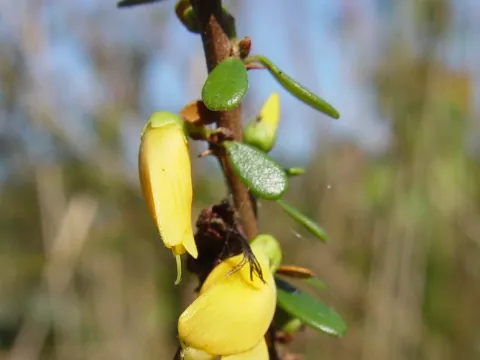
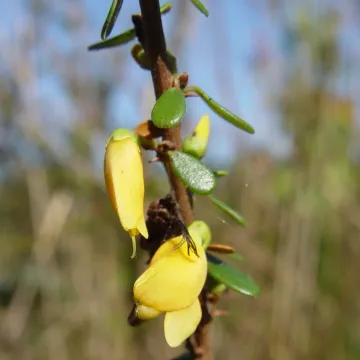
Botanically, Brya ebenus is characterized by small, evergreen, leathery leaves and spectacular bright yellow flowers that emerge during the blooming season. The tree's growth rate is notably slow, meaning it takes decades to reach a size suitable for high-grade timber harvesting. Its root system is deep and efficient, allowing the plant to survive in nutrient-poor, rocky terrains.
Cultivation requirements involve full solar exposure and exceptionally well-draining soil. It is highly intolerant of waterlogged conditions, which can lead to rapid root rot. The agrotechnical approach focuses on minimal but consistent irrigation during the establishment phase and regular, structural pruning to encourage a clean, usable trunk segment for future timber production.
The primary economic and commercial uses for Jamaica ebony include:
- Manufacturing precision musical instrument parts, such as guitar fingerboards and woodwind instruments.
- Crafting premium-quality knife handles, luxury stationery, and intricate carvings.
- Serving as a high-value ornamental species in landscaping and the art of bonsai.
Common issues in cultivation include fungal pathogens that thrive in humid, poorly ventilated areas, and wood-boring insects that target weakened stems. To maintain a healthy stand, agronomists recommend maintaining a dry soil surface, preventing mechanical injury to the bark, and implementing a rigorous monitoring schedule to identify potential pest infestations early in their development.
Photo gallery