Bryum caespitosum
Bryum caespitosum
Description
Bryum caespitosum is a notable moss species belonging to the Bryaceae family. While not categorized as a traditional commercial crop, it is of significant interest in bryology and ecological restoration due to its role in soil stabilization and as a bioindicator for specific environmental moisture conditions.
The species originates from temperate regions of the Northern Hemisphere, where it colonizes a wide range of substrates. It is commonly found in damp forest soils, crevices of rocks, and along riverbanks. Its adaptability allows it to persist in various microclimates, making it a ubiquitous presence in many natural ecosystems.
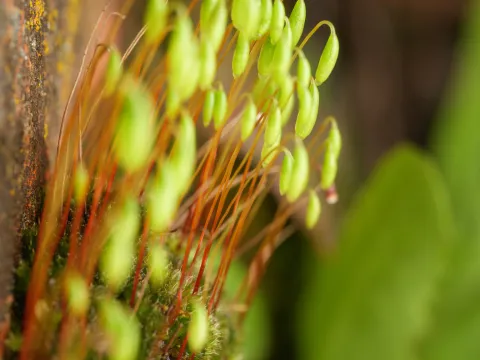
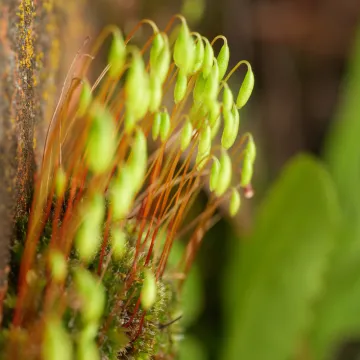
Botanically, this species is characterized by its compact, dense tuft formation, which helps in moisture retention. The stems are typically erect and densely covered with small, lancet-shaped leaves that photosynthesize efficiently even in low-light environments. Reproduction occurs through the production of spores within specialized capsules elevated on slender stalks.
Regarding ecological requirements, Bryum caespitosum prefers environments with consistent moisture levels and moderate exposure to sunlight. It thrives on substrates with a slightly acidic or neutral pH. Unlike agricultural crops, it does not require fertilizers or soil cultivation, as it obtains nutrients through atmospheric deposition and interaction with the immediate surface layer.
The economic and ecological utility of this species involves its capacity for erosion control on open or disturbed lands. It is remarkably resistant to many pests and diseases that affect vascular plants, largely due to its unique metabolic profile and simple structural organization. By acting as a ground-cover agent, it effectively protects soil structure from mechanical erosion and nutrient leaching.
Photo gallery