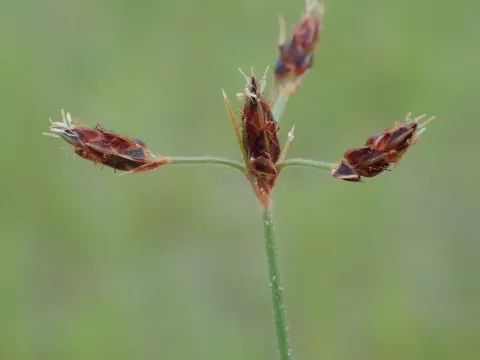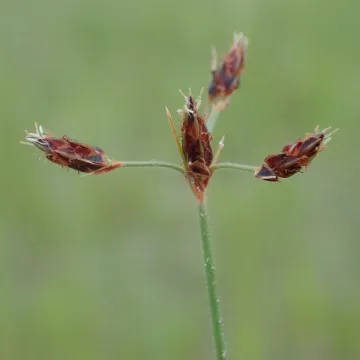
Bulbostylis hispidula
Bulbostylis hispidula
Description
Bulbostylis hispidula is a perennial herb belonging to the Cyperaceae family. Often overlooked in commercial agriculture, this species plays a significant role in tropical ecosystems and local extensive pastoral systems. Its resilience to harsh environmental conditions makes it a subject of interest for sustainable agricultural development in arid and semi-arid regions.
Native to African landscapes, this plant is well-adapted to savanna environments characterized by nutrient-poor soils and seasonal rainfall. Its distribution spans across various tropical regions, where it successfully competes with other vegetation by utilizing its efficient root system to scavenge for limited soil moisture and minerals.
From a botanical perspective, the plant is identified by its slender, hispid (bristly) leaves and characteristic spikelets. Its morphology is evolved to survive high temperatures and high light exposure. Notable biological traits include:
- Fine, fibrous root structure for soil stabilization.
- Dense, brush-like inflorescences that facilitate seed dispersal.
- Structural adaptations to minimize transpiration during hot seasons.
Regarding cultivation requirements, Bulbostylis hispidula thrives in well-drained, sandy, or stony substrates. It is highly sensitive to waterlogging, which often leads to root decay. Successful growth requires minimal agronomic intervention, focusing primarily on managing grazing pressure and preventing encroachment of invasive shrubs that may alter soil chemistry.
In agricultural practice, its primary value lies in acting as fodder for livestock when preferred forage is unavailable. While not a high-productivity crop, its ability to persist in degraded lands provides essential grazing cover. Disease management is relatively straightforward, as the plant is naturally resistant to many pests, though fungal pathogens may occur under suboptimal humidity levels.
Photo gallery