Bunchosia argentea
Bunchosia argentea
Description
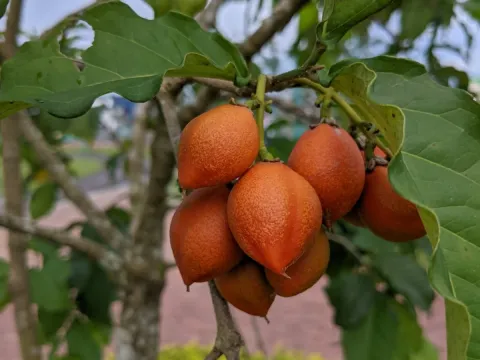
Bunchosia argentea, commonly known as the silver peanut butter fruit, is an evergreen tree belonging to the Malpighiaceae family. It is widely recognized among tropical fruit enthusiasts for its unique, dense, and slightly sweet fruit that possesses a distinct flavor profile reminiscent of peanut butter.
This species is native to northern South America, particularly the Amazon basin and surrounding tropical regions. Due to its adaptability to various tropical climates, it has been introduced to many subtropical and tropical countries worldwide, where it is often grown as an ornamental plant or a small-scale orchard crop.
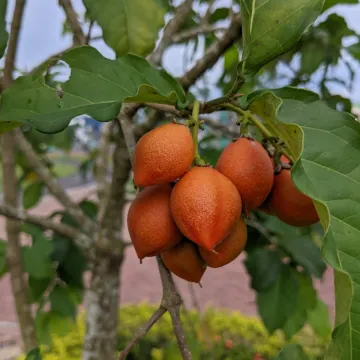
Botanically, the tree reaches a height of 3 to 5 meters. Its name, argentea, derives from the silvery pubescence found on the undersides of its leaves. The plant produces small, yellow, fragrant flowers followed by red to orange drupes that turn soft and aromatic upon reaching full maturity, signifying the harvest time.
Agricultural success depends on providing a frost-free environment with plenty of sunlight. The tree thrives in deep, well-drained, nutrient-rich soils. Irrigation is critical during the initial growth phase, and regular light pruning helps maintain a manageable canopy structure, which facilitates easier harvesting and improves air circulation.
Commercially and domestically, the fruit is versatile. It is consumed fresh or used as an ingredient in various recipes, such as jams, jellies, and desserts. Beyond its culinary uses, the tree serves as an excellent habitat for pollinators and is frequently utilized in tropical permaculture design for its rapid growth and manageable size.
Common pests and diseases include:
- Fruit flies, which may infest ripening fruit.
- Mealybugs and aphids, often found on new leaf growth.
- Root rot caused by poor soil drainage and waterlogging.
- Fungal foliage spots caused by extended periods of high humidity and poor ventilation.
Photo gallery