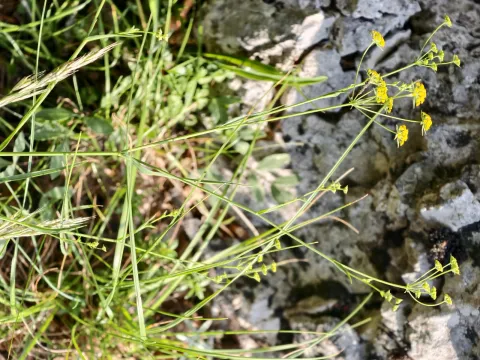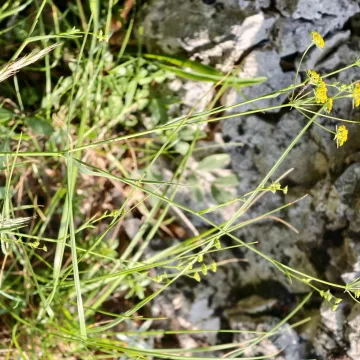

Bupleurum praealtum
Bupleurum praealtum
Description
Bupleurum praealtum is a perennial herbaceous plant belonging to the Apiaceae family. Within the agricultural sector, it is recognized primarily as a valuable medicinal crop. The plant is known for its pharmacological potential, particularly in the production of specialized health supplements and herbal remedies.
The origin of this species is primarily traced back to the Mediterranean region and parts of Europe. It has established itself in various temperate zones, where it thrives in landscapes that offer moderate sunlight and well-drained soils, which are critical for its successful establishment and growth cycle.
Botanically, the plant is characterized by its erect, branching stems and characteristic umbel inflorescences. The leaves are typically linear or lanceolate, often exhibiting a glaucous appearance. These features contribute to the plant's structural integrity and its ability to withstand fluctuating environmental conditions during the summer months.
From an agronomic perspective, Bupleurum praealtum requires soils with good aeration to prevent root rot. It is sensitive to waterlogging but responds well to consistent irrigation during the early vegetative stages. Providing adequate space between rows is essential for disease management and facilitates mechanical cultivation practices.
- Optimal soil selection with good drainage
- Regular irrigation monitoring during dry spells
- Use of organic fertilizers for soil enrichment
- Preventive monitoring for aphids and fungal pathogens
- Timely harvesting during the peak flowering stage
In terms of хозяйственное использование (economic use), the crop is cultivated for its roots and aerial parts, which are rich in saponins and flavonoids. Common pests include aphids, while diseases such as powdery mildew can compromise yield quality. Proper crop rotation is recommended to minimize soil-borne pathogen accumulation.
Photo gallery