Ranunculus-leaved thoroughwax
Bupleurum ranunculoides
Description
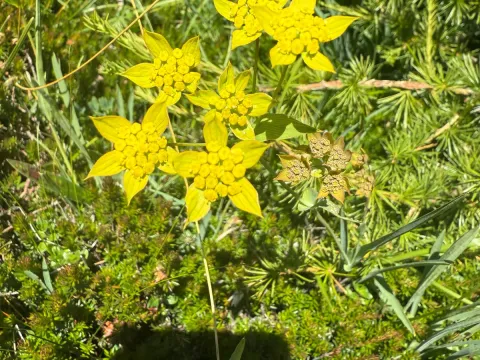
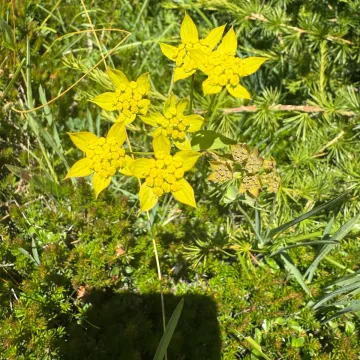
Bupleurum ranunculoides, commonly known as the Ranunculus-leaved thoroughwax, is a perennial herbaceous plant belonging to the Apiaceae family. While not a conventional crop for large-scale production, it is recognized for its unique botanical profile and potential medicinal value, making it a subject of interest in specialized agricultural sectors.
The origin of this species is linked to the mountainous regions of Europe and Asia. Its natural habitat includes subalpine meadows and stony limestone slopes. This geographic adaptation allows the plant to thrive in challenging environments characterized by thin, rocky soils and cold climatic cycles, making it a resilient species in its native ecosystem.
Botanically, the plant is characterized by its distinct, narrow leaves and umbellate inflorescences. The structure reflects its adaptation to rocky terrains, featuring a strong root system designed to anchor the plant securely. The foliage often appears in a basal rosette, with flowering stems rising above during the mid-to-late summer months to produce small, characteristic seeds.
Agricultural success with this species depends on mimicking its natural alpine conditions. It requires well-drained, lime-rich soil and full sun exposure. Excess moisture is the primary enemy of this crop, as it quickly leads to root decay. Successful cultivation requires a careful balance of minimal irrigation and preventing the substrate from becoming waterlogged.
The primary use of Bupleurum ranunculoides is in the pharmaceutical industry, where it is studied for its chemical compounds, including saponins. Like many plants in the Apiaceae family, it is susceptible to fungal diseases such as mildew if air circulation is poor, and pests like aphids can cause damage during the early growth stages if not managed with integrated pest control.
Photo gallery