Bupleurum semicompositum
Bupleurum semicompositum
Description
Bupleurum semicompositum is an annual herbaceous plant belonging to the Apiaceae (Umbelliferae) family. While many species in the Bupleurum genus are perennial, this specific variety is an annual that displays unique physiological adaptations to Mediterranean climates, making it an interesting subject for pharmacological research and specialty crop cultivation.
The species originates from the Mediterranean basin and Western Asia. Its natural habitat consists of rocky slopes, dry sandy soils, and open grasslands. It has evolved to thrive in environments with low to moderate rainfall, often completing its entire life cycle during the spring and early summer before the peak of the dry season.
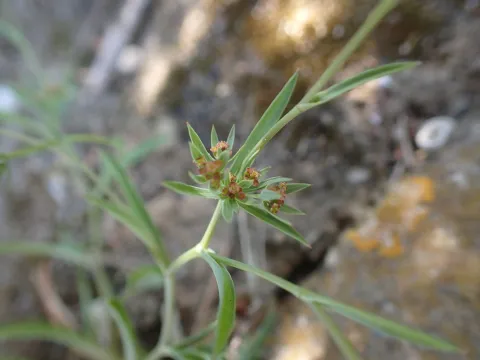
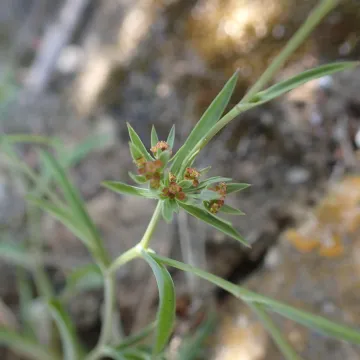
Botanically, the plant is characterized by a slender, branched stem that typically grows to a height of 10–30 cm. The foliage exhibits a distinct glaucous (bluish-grey) appearance due to a protective waxy layer, which reduces transpirational water loss. The flowers are small, yellow, and arranged in the classic compound umbels characteristic of the carrot family.
Agronomic requirements for this crop prioritize well-draining soil to prevent root rot. It is a heliophilic species, meaning it requires full sun exposure to thrive and maximize the synthesis of active metabolites. In cultivation, sowing should occur early in the season to take advantage of soil moisture before the summer heat. Proper weed management is essential in the early stages due to the plant's relatively slow initial development.
- Requires light, sandy-loam soils with good permeability.
- Sensitivity to high soil moisture levels.
- Optimal growth achieved in open fields with high solar radiation.
Economically, the plant is primarily harvested for the production of liver-protective and choleretic medicinal compounds. In terms of protection, the crop must be monitored for common Apiaceae pests, including aphids and various lepidopteran larvae. Disease pressure is relatively low if soil drainage is properly managed, though damping-off can occur in seedlings during humid conditions.
Photo gallery