Elephant Tree
Bursera microphylla
Description
Elephant Tree (Bursera microphylla) is a distinctive succulent tree belonging to the Burseraceae family. It is renowned for its thick, water-storing trunk and branches, which give it a unique sculptural appearance, often resembling an elephant's leg, hence the common name. This species is a remarkable example of adaptation to arid environments.
Originating from the Sonoran Desert, this species is native to regions in southwestern United States and northwestern Mexico, particularly Baja California. It thrives in hot, dry climates where it contributes significantly to the biodiversity of scrublands and rocky slopes. The plant is deeply integrated into the ecology of these deserts, providing shade and resources in extremely hostile conditions.
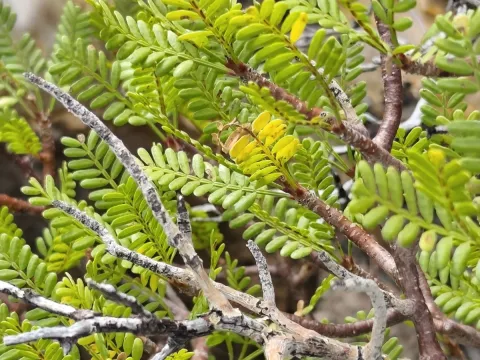
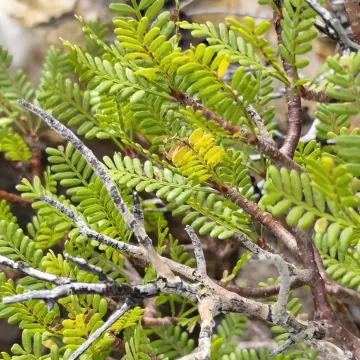
Botanically, Bursera microphylla is characterized by its small, pinnate leaves and thin, exfoliating bark that peels away in papery layers. The tree is deciduous, shedding its leaves during periods of drought to conserve moisture. It produces small, inconspicuous flowers that eventually develop into drupes, which are an important food source for local wildlife.
Cultivation requirements demand full sun exposure and a highly porous, gritty substrate that prevents waterlogging. In agricultural settings, it is essential to mimic its natural desert cycle by providing deep, infrequent watering during the growing season and keeping the plant dry during the winter dormancy period. It is not frost-tolerant and requires protection when temperatures drop below freezing.
The plant is highly valued in horticulture for its ornamental properties and is a popular choice for bonsai enthusiasts due to its interesting growth habit. Beyond aesthetics, the resinous sap of the tree has been used traditionally for medicinal purposes and as a source of incense. Pests such as spider mites and scale insects are the primary concerns for indoor or greenhouse cultivation, while root rot is the most common disease linked to improper drainage.
- Requires well-draining, mineral-based soil.
- Excellent drought tolerance once established.
- Sensitive to overwatering and high humidity.
- Suitable for xeriscaping in Mediterranean climates.
Photo gallery