Wallich box
Buxus wallichiana
Description
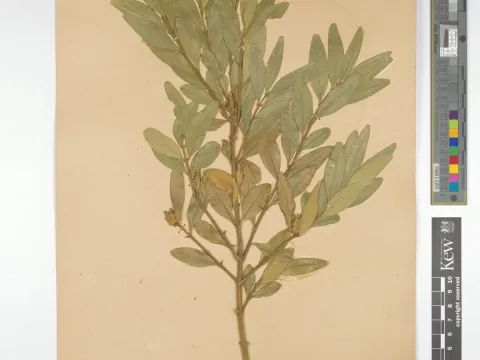
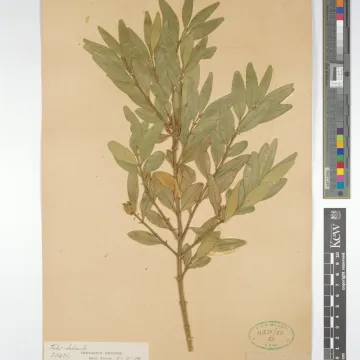
Wallich box (Buxus wallichiana) is a slow-growing, evergreen shrub or small tree belonging to the Buxaceae family. It is distinguished by its graceful growth habit and elongated foliage, making it a highly valued specimen for both traditional and modern landscape architecture and garden design.
The species originates from the mountainous regions of the Himalayas, including Afghanistan, Pakistan, and northern India. Within its native range, it thrives in temperate to subtropical climates, typically occupying shaded or semi-shaded areas within forest ecosystems. This native environment dictates its preference for sites with protected exposure and consistent moisture levels.
Botanically, Buxus wallichiana is characterized by its narrow, lanceolate, dark green leaves and smooth, dense bark. The plant maintains a compact habit, which makes it particularly responsive to pruning and topiary work. Its roots are robust but require well-drained soil conditions to prevent the onset of root-related pathogens and stress.
Cultivation requires fertile, well-draining soil with a neutral to slightly alkaline pH level. The species thrives in partial shade and benefits from protection against harsh, drying winds, especially during the winter months. Agricultural management involves mulching to maintain soil moisture, balanced fertilization in early spring, and systematic pruning to enhance crown density.
Economically and ornamentally, Wallich box is used extensively for hedging, screening, and ornamental focal points in gardens. Its wood, renowned for its exceptional density, hardness, and fine grain, has historically been utilized in fine woodworking, the production of musical instruments, and traditional wood carving, maintaining a reputation for durability.
Management of the plant requires vigilance against specific health risks:
- Box tree moth (Cydalima perspectalis), a significant threat capable of rapid defoliation.
- Fungal blight infections, favored by high humidity and poor air circulation.
- Spider mites, which may flourish in hot, dry conditions if the plants are neglected.
Photo gallery