Bystropogon punctatus
Bystropogon punctatus
Description
Bystropogon punctatus is a perennial subshrub belonging to the Lamiaceae family. It is a highly valued plant species known for its aromatic foliage, which is rich in essential oils. As an agricultural commodity, it is primarily targeted for niche markets focused on essential oil extraction and botanical raw material production.
The plant is endemic to the Canary Islands, thriving in subtropical climates with moderate temperature fluctuations and consistent humidity. Its cultivation area in modern agriculture is typically restricted to regions where the climate replicates its native habitat, or where controlled greenhouse environments can be maintained to ensure optimal growth and oil yield.
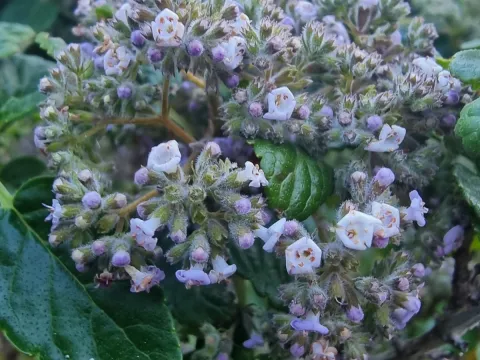
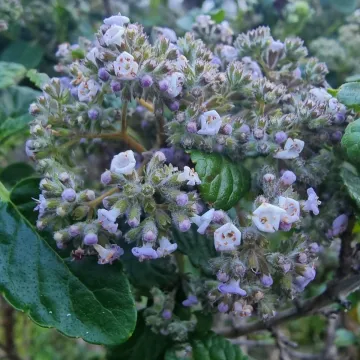
Botanically, Bystropogon punctatus is characterized by its woody base, opposite leaves, and a dense network of oil-secreting glands on the leaf surface. The plant grows in a spreading habit, requiring proper spacing during plantation to ensure adequate airflow and sunlight penetration. Its root system is delicate and requires well-drained substrate to prevent waterlogging.
Agronomic management involves selecting loamy or sandy-loam soils with a slightly acidic to neutral pH. Proper fertilization, focused on balanced NPK ratios, is essential during the active growing phase. Farmers should implement integrated pest management (IPM) to control common pests such as aphids or spider mites, which can sporadically affect the plant's health.
The primary economic use of this culture lies in the cosmetics and pharmaceutical industries. Its aromatic oils are extracted for their antiseptic, anti-inflammatory, and fragrant properties. Additionally, the plant's aesthetic appeal allows for potential secondary utilization in landscape design and the production of specialized herbal tea blends.
- Requires full sun to partial shade for optimal foliage development.
- Susceptible to root rot if soil drainage is poor.
- Excellent candidate for sustainable agriculture in mild climates.
- Harvesting is best conducted during the peak flowering stage.
- Requires protection from frost to ensure multi-year survival.
Photo gallery