Cacaliopsis nardosmia
Cacaliopsis nardosmia
Description
Cacaliopsis nardosmia, commonly known as the silvercrown, is a perennial herb belonging to the Asteraceae family. As the only species in its genus, it exhibits a distinct botanical identity that sets it apart from related alpine flora. Its evolutionary lineage and adaptation to specific mountain habitats make it a subject of interest for both botanists and specialized plant conservationists.
The plant is native to the western regions of North America, particularly the coastal mountain ranges of California and Oregon. Its habitat typically consists of open coniferous forests and rocky slopes, where it benefits from the specific light and moisture regimes of these mountain ecosystems. This geographical limitation implies that the species is best suited for regional restoration or niche gardening rather than broad-scale commercial use.
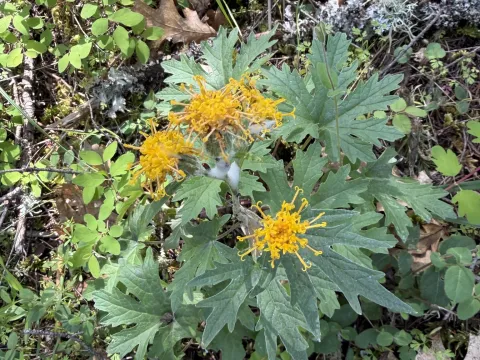
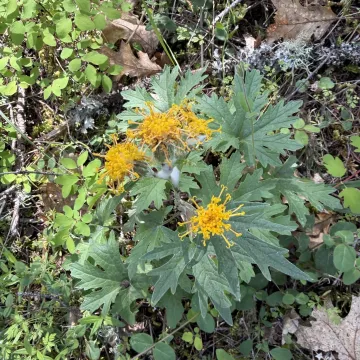
Botanically, the plant is characterized by a robust rootstock and a basal rosette of deeply lobed, often silver-hairy leaves, which gives it its common name. The flowering stems are erect, reaching significant heights, and terminate in clusters of cream-colored disk florets. These floral structures are designed to attract specific pollinators, ensuring successful seed production in the short mountain growing season.
Cultivation requires strict adherence to soil drainage standards, as the plant is highly susceptible to root rot in saturated conditions. It thrives in well-drained, slightly acidic or neutral soils in a position that provides morning sun and afternoon shade. In terms of agronomy, maintaining a balanced moisture level without waterlogging is the most critical factor for the longevity of the plant in a garden setting.
While not a commercial agricultural crop, it holds value in native plant landscaping. Its management mainly involves protecting it from excessive weed competition and managing common fungal diseases that occur in humid environments. Pests such as aphids and spider mites can occasionally affect the foliage, but integrated pest management practices are usually sufficient to maintain plant health.
Photo gallery