Cachrys libanotis
Cachrys libanotis
Description
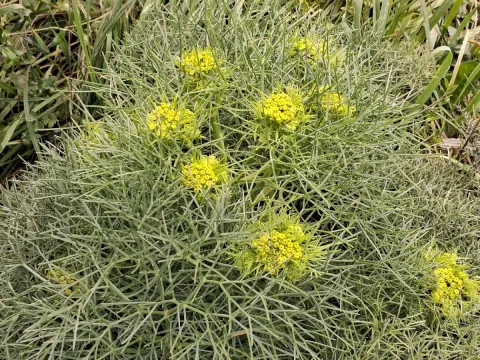
Cachrys libanotis is a perennial herbaceous plant belonging to the Apiaceae family. It is a robust species characterized by its adaptability to harsh environments and distinctive morphological features that allow it to thrive in Mediterranean and Central European climate zones.
The origin of this species is linked to the Mediterranean basin, where it typically colonizes open grasslands, rocky hillsides, and limestone-rich soils. Its distribution range extends across regions where long periods of drought are common, allowing the plant to demonstrate remarkable survival strategies in arid conditions.
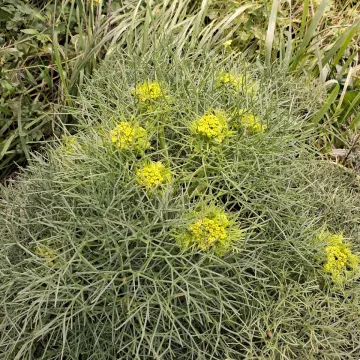
Botanically, the plant develops a deep root system and a sturdy stem that supports complex, pinnately divided leaves. Its inflorescences are classic compound umbels, typical of the Apiaceae family, which serve as vital hubs for local insect pollinators during the intense blooming phase of the season.
Cultivation requirements for Cachrys libanotis center on the availability of well-draining soils with a neutral or alkaline pH. It is an undemanding crop in terms of irrigation, as it is highly xerophytic; however, it requires maximum sun exposure and protection from cold, damp winds during the early development stages.
Key areas of economic and agricultural utility include:
- Utilizing the plant as a decorative species for low-maintenance xeric garden designs.
- Exploring its potential as a forage resource in arid landscapes where traditional grasses struggle.
- Preservation of local biodiversity and soil stabilization on slopes prone to erosion.
Regarding pest and disease management, the plant is generally resistant, but may be susceptible to root rot if soil drainage is compromised. Common pests include aphids and mites, which can be mitigated through proper spacing and regular monitoring of plant health in the early spring, ensuring vigorous growth throughout the cycle.
Photo gallery