Tara
Caesalpinia spinosa
Description
Tara (Caesalpinia spinosa) is a perennial leguminous shrub or small tree widely cultivated for its high economic value. Known primarily as the source of tara gum and natural tannins, this crop plays a vital role in food technology, leather processing, and chemical industries.
The plant is native to the Andean regions of South America, specifically Peru, where it thrives in arid and semi-arid valleys. Due to its hardiness, it has been successfully introduced to various other regions globally, including parts of Africa and Asia, provided the environmental conditions mimic its natural high-altitude, dry habitat.
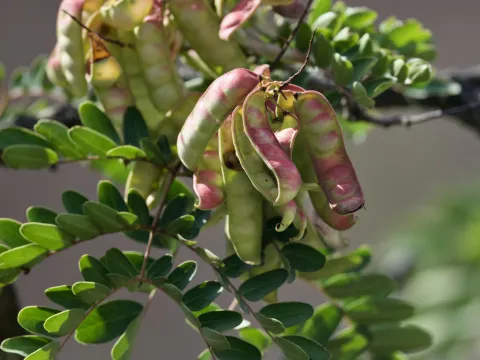
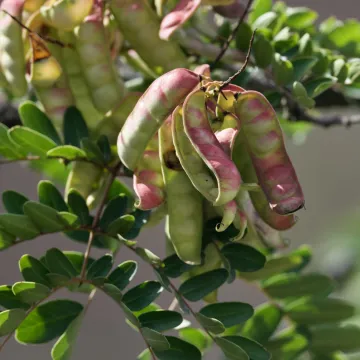
Botanically, Caesalpinia spinosa features compound, feathery leaves and sharp spines along its branches. It produces yellow flowers in racemes, followed by flat, leathery pods. The endosperm of the seeds is the primary source of galactomannans, which are processed into the widely used food additive known as tara gum.
Agronomically, Tara is a drought-tolerant crop that requires significant solar radiation and well-drained soil. It is particularly well-suited for marginal lands where other crops struggle to survive. Effective cultivation requires minimal but strategic irrigation and a planting scheme that allows for adequate light penetration throughout the canopy to maximize pod production.
The economic utilization of the Tara tree is extensive:
- Food industry: Production of tara gum as a stabilizing and thickening agent (E417).
- Leather industry: High-quality vegetable tanning extract for eco-friendly leather processing.
- Cosmetics and Pharmacy: Use of antioxidants extracted from the pods.
- Soil conservation: Used in reforestation efforts to prevent soil erosion in arid climates.
The crop faces pressure from specific pests, including aphids and pod-boring insects, which can significantly reduce seed yield if not monitored. Fungal diseases are less common but can occur if soil drainage is poor or if the trees are planted in areas with excessive humidity. Maintaining proper tree spacing and airflow is essential to minimize these biological risks.
Photo gallery