
Calendula incana
Calendula incana
Description
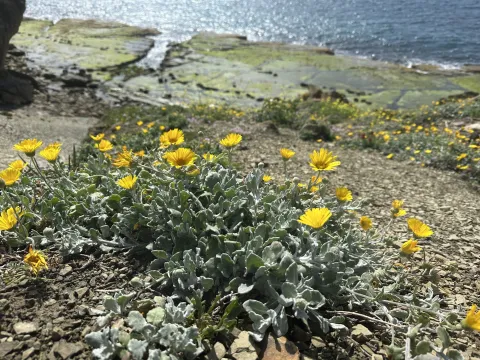
Calendula incana is a distinctive herbaceous species belonging to the Asteraceae family. Often referred to as hoary marigold, this plant is easily identified by the dense, fine hairs covering its foliage, which give the plant a silvery or greyish appearance. Unlike its common garden counterpart, this species is specifically adapted to survive in challenging, arid environments, making it a subject of interest for specialized plant production.
Native to the Mediterranean basin, particularly regions within the Iberian Peninsula and parts of North Africa, this plant thrives in dry, rocky, and sandy substrates. Its natural range consists of areas where rainfall is sparse and soil drainage is excellent. Due to its evolutionary path, Calendula incana has developed significant drought tolerance, allowing it to maintain growth under conditions that would be detrimental to many other flowering crops.
The botanical architecture of this species is optimized for water conservation. The leaves are thickened and pubescent, features that effectively reduce the rate of transpiration and protect the internal plant tissues from intense solar radiation. The flowers are produced in typical aster-like heads, although they are generally smaller and more subtle in coloration compared to ornamental calendula varieties, reflecting their adaptation to wild habitats.
In terms of agricultural management, the successful cultivation of Calendula incana requires strict adherence to well-drained soil conditions. The crop performs best when grown in mineral-rich, stony, or sandy soils where water does not accumulate near the root zone. Agronomists recommend minimal irrigation and restricted nitrogen application, as excessive fertilization can weaken the plant's inherent resistance to heat and drought.
The plant is mainly utilized in the herbal industry for its potential therapeutic compounds, which include essential oils and flavonoids. In landscaping, it is valued for xeriscaping projects due to its minimal maintenance requirements. Farmers should monitor for the following potential threats:
- Powdery mildew, which occurs if air circulation is inadequate.
- Aphid infestations during the early stages of the growing season.
- Root decay resulting from improper drainage or excessive rainfall.
Photo gallery