Calendula tripterocarpa
Calendula tripterocarpa
Description
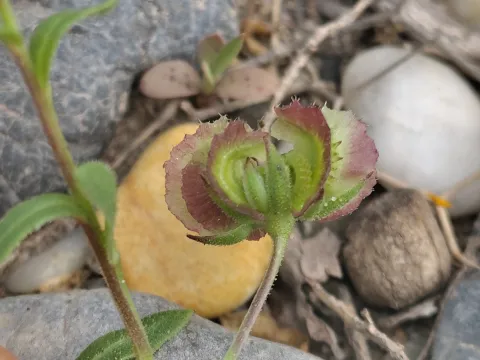
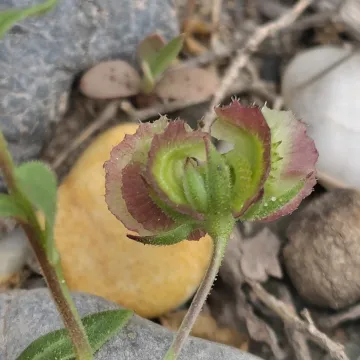
Calendula tripterocarpa, commonly known as winged calendula, is an annual herb belonging to the Asteraceae family. This species is taxonomically distinct from the common pot marigold due to specific morphological markers, primarily observed in its seed structure which features unique wing-like extensions.
The plant originates from arid ecosystems of North Africa and Western Asia. Throughout its evolution, it has developed significant adaptations to survive in harsh, low-rainfall conditions. Consequently, it thrives in environments that would be unsuitable for many other garden ornamentals, specifically in sandy or stony terrains.
Botanically, Calendula tripterocarpa is characterized by its branching stems and glandular pubescence which reduces water loss through transpiration. The flowers typically display the vibrant yellow-orange pigmentation characteristic of the genus. Its deep root system allows it to penetrate arid soil layers in search of moisture.
Agricultural requirements for this crop involve full sun exposure and excellent soil drainage. Over-irrigation is the most common mistake made during cultivation, as the plant is highly susceptible to root rot in saturated conditions. It is best sown directly into the field, as it does not transplant well due to its taproot system.
The primary use of this plant is ornamental, particularly in xeriscaping or rock gardens where drought resistance is prioritized. Regarding plant health, pests like aphids are common during the spring, while fungal diseases such as powdery mildew may appear if humidity levels remain consistently high for extended periods, necessitating good air circulation.
Photo gallery