Spiny broom
Calicotome infesta
Description
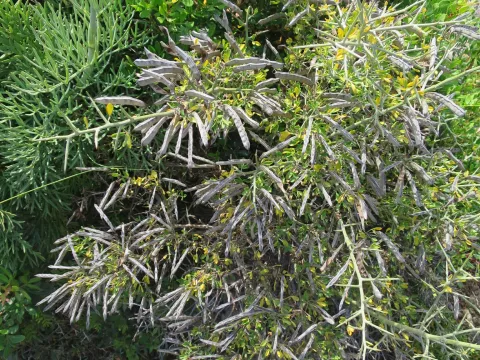
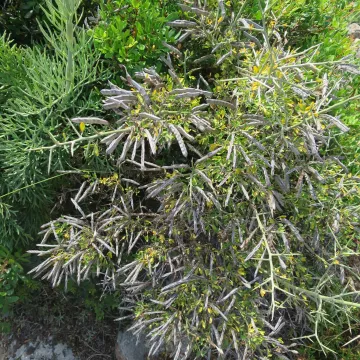
Spiny broom (Calicotome infesta) is a perennial, thorny shrub belonging to the Fabaceae family. Known for its dense, impenetrable growth pattern, this plant plays a vital role in Mediterranean scrubland ecosystems, often referred to as maquis, providing essential habitat and protection for local wildlife.
Originating from the Mediterranean Basin, this species is widely distributed across Southern Europe and North Africa. It is highly adapted to the hot, dry summers and mild, wet winters characteristic of the region, allowing it to thrive in environments where many other plant species would struggle to survive.
Botanically, Calicotome infesta is distinguished by its trifoliate leaves and striking yellow, pea-like flowers that bloom in early spring. The plant is equipped with sharp, modified side shoots that serve as thorns, providing a significant defense mechanism against herbivores, which helps ensure its persistence in the landscape.
Regarding agrotechnical requirements, the shrub is notably low-maintenance. It prefers sunny locations and thrives in poor, rocky, or calcareous soils. Its ability to fix atmospheric nitrogen via symbiotic bacteria allows it to flourish in nutrient-deficient substrates, making it an excellent candidate for land reclamation projects.
The agricultural and economic utility of the spiny broom includes its use as a natural barrier to prevent soil erosion on slopes and as a protective hedge to delineate property boundaries. Additionally, it serves as a valuable early-season nectar source for pollinators, contributing significantly to the ecological health of Mediterranean agricultural systems.
Photo gallery